 rizky-amelia
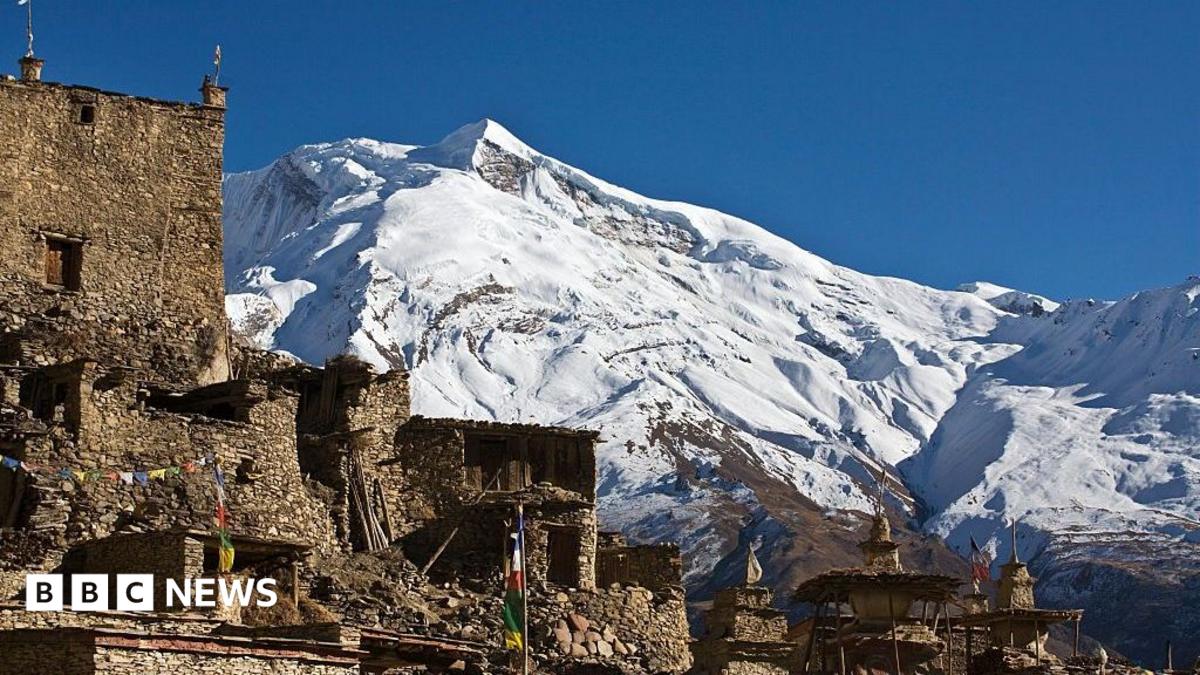
An avalanche tore through a staging camp beneath a Himalayan peak in Nepal on Sunday, leaving at least ten local climbing guides unaccounted for, according to expedition organisers and news agency reports.
The missing men were all Nepali citizens employed to prepare the route for a commercial expedition on Himlung Himal, a 7,126-metre (23,380-foot) mountain in the Manang district near Nepal's northern frontier with Tibet.
Bibhuti Chand Thakur, who works with the trekking company Himalaya Holidays Trekking, told AFP that eight of the missing belonged to his firm's expedition team, while another two were attached to a different operator. "Eight members of our expedition team and two more from another company have been reported missing," he said.
The group had been dispatched ahead of paying foreign clients, a standard practice in Nepal's climbing industry. These guides — often referred to as Sherpa or high-altitude workers regardless of their specific ethnic background — take on the most dangerous early tasks: loading equipment, establishing camps, and fixing ropes and ladders across crevassed and unstable terrain before clients arrive.
The avalanche struck on Sunday morning while the guides were positioned at a staging point close to the base camp. Weather data indicated that heavy snowfall had blanketed the area around the peak in the preceding days, loading slopes with fresh, unstable snow.
Rescue operations have been severely constrained by the conditions that caused the disaster in the first place. Helicopters have been unable to land or even approach the site, and ground teams have likewise been blocked from reaching the camp. Poor visibility and the continued risk of further slides have left would-be rescuers waiting for a window of clearer weather.
Himlung Himal sits in a remote stretch of the Annapurna region and, while less famous than Everest or Annapurna itself, has become increasingly popular with overseas climbers seeking a demanding but less crowded objective. Its normal route involves glacier travel and steep snow slopes, and expeditions typically require several weeks of acclimatisation and camp-building before a summit push.
Nepal's mountain districts have endured persistent rain and snow over recent days, producing treacherous conditions across some of the country's most commercially important climbing areas. The instability is not confined to Himlung Himal. Earlier this week, teams were forced to abandon Mount Manaslu, the eighth-highest peak in the world, because of a growing avalanche threat.
The timing of the disaster underscores a troubling pattern for Nepal's climbing tourism sector, which depends heavily on the labour of local guides. These workers earn relatively modest wages compared with the fees foreign clients pay, yet they absorb a disproportionate share of the physical risk — travelling first, staying longest, and working in the worst conditions.
Sunday's avalanche also lands less than two months after six climbers died on Broad Peak in Pakistan. Among the dead was Nirmal Purja, the renowned British-Nepali mountaineer whose record-breaking feats brought him global fame and helped draw attention to the contributions and hazards faced by Nepali high-altitude workers.
The disaster in Manang is unfolding alongside a broader pattern of extreme weather across South Asia. Officials in the neighbouring Indian state of Uttar Pradesh reported that more than 50 people had died amid severe conditions further south.
To the north, on the Nepal-Tibet border, recovery teams are still searching for bodies more than a month after a catastrophic glacial collapse sent water and debris surging down the Trishuli River valley. More than 6,000 people remain missing in that disaster, and at least 1,400 deaths have been confirmed, with settlements swept away by the torrent.
Scientists and mountain safety experts have long warned that a warming climate is destabilising high-altitude environments, making glacial lakes more prone to outburst floods and loading mountain slopes with unpredictable snowpack. These changing conditions place additional strain on the guides who spend the most time on the mountain.
For now, the immediate focus remains on reaching the ten missing men. Families and colleagues are awaiting word as rescue teams monitor the weather, hoping for a break that would allow helicopters to fly. Each hour of delay compounds the difficulty of finding survivors in deep snow at altitude.
Authorities have not yet released the names of the missing guides, and no casualties have been officially confirmed. The operation remains an active search, with officials cautioning that the situation on the mountain could shift quickly if conditions worsen or if further avalanches occur.
The incident serves as another reminder of the human cost behind the adventure industry that draws thousands of climbers to Nepal each year — and of the local workers who make those expeditions possible, often at the greatest personal risk.









Comments (0)