 rizky-amelia
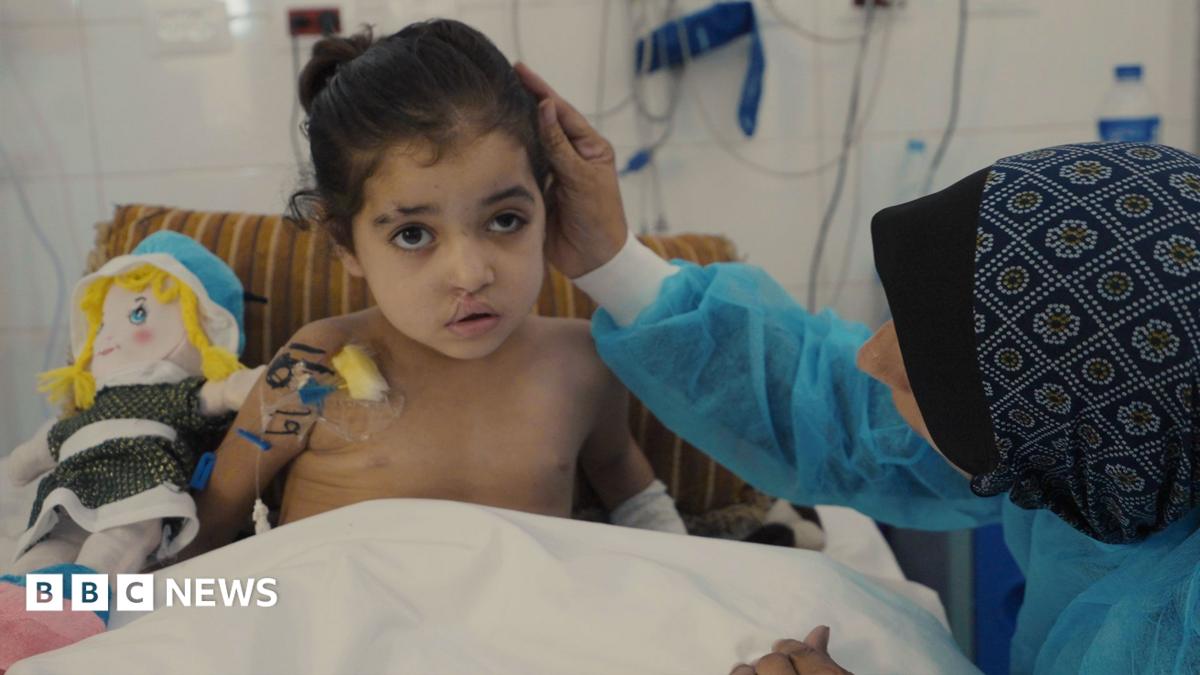
A six-year-old girl in Gaza has undergone more than 20 surgical procedures since sustaining severe injuries in an Israeli air strike earlier this summer, according to reporting by BBC Eye Investigations. Raseel al-Balawi was hurt in late July when, witnesses say, a helicopter strike hit the tent where she was sheltering in the al-Mawasi camp, a coastal area in southern Gaza that Israel has repeatedly designated as a humanitarian safe zone.
The young girl's ordeal has become a case study in the medical crisis gripping the enclave, where doctors are battling persistent infections in wounds that would ordinarily heal with routine care. Instead, surgeons have been forced to operate on Raseel repeatedly in an effort to stay ahead of contamination and infection, a cycle that underscores how the collapse of sanitation, water and health infrastructure has turned survivable injuries into life-threatening conditions.
Israel's military has said it has no record of the attack and added that it "regrets any harm to civilians." The statement echoes the language Israeli officials have used in response to numerous incidents in which civilians, including children, have been killed or wounded in strikes on areas designated for evacuation. The absence of a military record does not necessarily mean the strike did not occur; independent verification of such incidents in Gaza has been severely constrained by access restrictions and the dangers of reporting from the ground.
The BBC World Service spent time across the summer filming in Gaza for a documentary examining how children are coping amid what the broadcaster describes as the near-total destruction of the infrastructure they depend on to survive. The project followed Raseel and others as a fragile ceasefire faltered and bombardment resumed, offering a rare window into the daily reality for families navigating a landscape of rubble, displacement and depleted medical services.
Al-Mawasi, a narrow strip along Gaza's Mediterranean coast, has hosted hundreds of thousands of displaced Palestinians who fled fighting elsewhere in the territory. Because it has been declared a safe zone by Israeli authorities, many families believed they would be protected there. Yet the camp has been struck multiple times during the war, and aid agencies have warned that no location in Gaza can be considered genuinely safe given the intensity and reach of military operations.
For Raseel, the consequences are measured in operations. Each surgery carries its own risks for a child her age — anesthesia, blood loss, the possibility of hospital-acquired infection in facilities that lack reliable power, clean water and sterile supplies. The repeated procedures suggest that initial treatment failed to eliminate contamination, or that the wound environment remains so compromised that infection keeps returning despite surgical intervention.
Doctors in Gaza have described working under conditions that would be unthinkable in most health systems. Hospitals have been damaged or destroyed, generators run short of fuel, and medical supplies enter only sporadically. Surgeons report operating by phone light, reusing single-use equipment and discharging patients far earlier than clinical judgment would advise because beds are needed for newly wounded arrivals. In such an environment, post-operative infection rates soar.
Children are especially vulnerable in these circumstances. Their immune systems are still developing, and they require proportionally larger doses of medication and more careful monitoring than adults. Pediatric surgical care demands specialized equipment and trained staff, both of which are in short supply across Gaza. The result is that children like Raseel may face months or years of follow-up operations, rehabilitation and psychological care that the current system is simply unable to provide.
The broader picture is one of a health sector on the brink of collapse. International humanitarian organizations have repeatedly warned that Gaza's medical system has been reduced to a fraction of its pre-war capacity. Northern hospitals have been largely put out of service, while those in the south operate far beyond their intended patient loads. Medical evacuations for patients needing treatment abroad have been slow and limited, leaving critically ill and injured people stranded.
The ceasefire that had briefly slowed the violence has been described as faltering, with renewed strikes and continued displacement. Diplomatic efforts to secure a durable pause have repeatedly stalled, and each breakdown in the truce translates directly into more casualties and more strain on hospitals. For families in camps like al-Mawasi, the uncertainty is compounded by the knowledge that another strike could arrive without warning.
Witness accounts, such as those describing the helicopter strike that injured Raseel, play a central role in documenting incidents that might otherwise go unrecorded. Because international journalists cannot access Gaza freely, the BBC and other outlets have relied heavily on local crews, eyewitnesses and medical workers to piece together what happens. These testimonies are not a substitute for independent investigation, but they form an increasingly important evidentiary record.
The Israeli military's response — that it has no record of the attack and regrets civilian harm — reflects a pattern in which incidents are acknowledged only after external pressure or not at all. Human rights groups have long called for transparent investigations into strikes on civilian areas, arguing that accountability is essential both for victims and for deterring future violations. To date, such investigations have been rare, and their findings seldom made public in detail.
For Raseel's family, the immediate priority is not accountability but survival. Each additional surgery represents another gamble, another period of recovery, and another moment of fear that infection will spread beyond what doctors can control. The emotional toll on a six-year-old who has spent much of her recent life in hospital beds, and on relatives who have already endured displacement and loss, is difficult to quantify but impossible to ignore.
Aid agencies argue that the situation demands more than emergency medical relief. It requires restored water and sanitation systems, a functioning electricity supply, and a guaranteed flow of medical supplies and personnel. Without those foundations, they warn, even the best surgical care will be undermined by conditions that reintroduce infection and disease. Rebuilding Gaza's health infrastructure will be measured in years, not months.
The BBC's full documentary on children in Gaza, filmed across the summer, is available on iPlayer. It aims to show not only the physical injuries but the wider collapse of the systems that children rely on — schools, clinics, clean water and safe shelter — and to give voice to families navigating a war whose effects will shape a generation. Raseel's story is one of many, but it illustrates how the destruction of infrastructure turns treatable wounds into enduring emergencies.
As the ceasefire continues to waver and bombardment persists, the coming weeks will determine whether children like Raseel receive the sustained care they need or face further setbacks. For now, her treatment continues one operation at a time, a fragile effort to hold infection at bay in a place where the conditions for healing have been almost entirely dismantled.









Comments (0)