

Texas Executes Jamaal Howard After Courts Reject Appeals Tied to Christa Pike's Failed Lethal Injection
Texas carried out its first execution since a failed lethal injection attempt in Tennessee last week, putting Jamaal Howard to death by lethal injection on Wednesday evening at a s
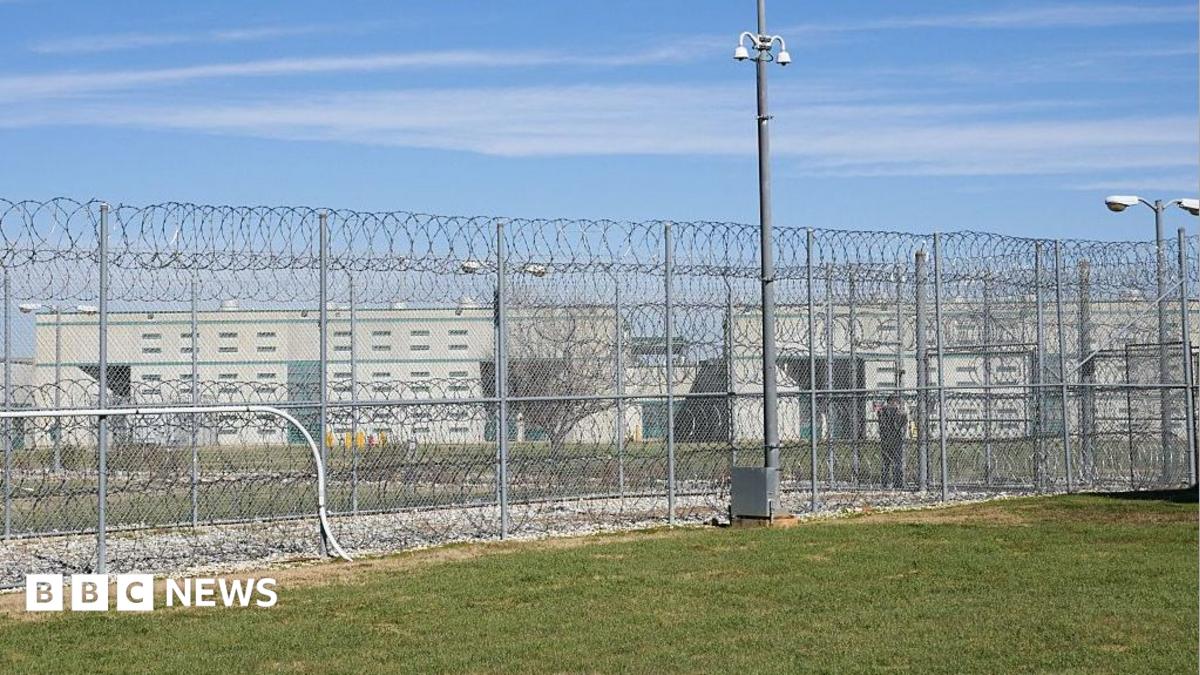
Texas carried out its first execution since a failed lethal injection attempt in Tennessee last week, putting Jamaal Howard to death by lethal injection on Wednesday evening at a state prison in Huntsville. The 46-year-old was pronounced dead at 20:03 local time after receiving a fatal dose of pentobarbital.
Howard's execution marked the first in the United States since Christa Pike's botched lethal injections in Tennessee, an event that has reignited debate over capital punishment methods and the reliability of the drugs used in executions. Pike's case drew national attention after her execution was halted when authorities struggled to establish intravenous lines, leaving her "conscious" and "angry and confused," according to statements from her legal team.
Lawyers for Howard had sought to pause his execution, pointing to the failed attempt on Pike as evidence that the lethal injection process carried unacceptable risks. They argued that because Texas planned to use the same drug — pentobarbital — that was administered to Pike, Howard faced similar dangers. The legal team also alleged that Texas' supply of the drug had become degraded, echoing concerns raised by Pike's attorneys in Tennessee.
Despite these arguments, courts twice denied the appeals, and the US Supreme Court turned down a final request late Wednesday. Howard's attorneys had warned that proceeding with the execution would set a troubling precedent. "Texas should not be eager to follow in Tennessee's footsteps; a stay would keep that from happening," they argued, according to CBS News.
The legal team also petitioned Texas Governor Greg Abbott, a Republican, to delay the execution by 30 days to allow for additional information about the drug used in the procedure. The governor declined to grant the delay, clearing the way for the execution to proceed as scheduled.
Howard was convicted and sentenced to death for the 2000 murder of Vickie Swartout, a 42-year-old convenience store clerk. According to court records, Howard was 20 years old when he shot Swartout during a robbery. He stole a carton of cigarettes and $114 from the register.
The case has drawn attention not only because of the timing relative to Pike's failed execution but also because of the broader questions it raises about the consistency and humanity of lethal injection protocols across states. While Texas has long been the most active death penalty state in the country, the recent events in Tennessee have cast new scrutiny on how states source and administer execution drugs.
In his final moments, Howard was given the opportunity to make a statement. According to US media reports, he apologized to Swartout's family, who watched from a witness room. "I wish that you accept my apology, and I wish for your forgiveness," Howard said. "I'm sorry for what happened. I wish you can learn to forgive me one of these days."
The execution proceeded after a series of last-minute legal maneuvers that unfolded throughout Wednesday. Howard's attorneys filed emergency appeals citing the Eighth Amendment's protection against cruel and unusual punishment, but both state and federal courts declined to intervene. The Supreme Court's decision to deny the appeal came shortly before the execution was scheduled to take place.
Legal experts have noted that the failed execution of Christa Pike in Tennessee has created a new avenue for death row inmates to challenge their executions. The argument that a state's drug supply may be compromised or that the method itself is unreliable could become a more common legal strategy in the wake of Pike's case.
Pike's execution attempt in Tennessee was halted after medical personnel were unable to establish the necessary intravenous lines, a rare occurrence that left her in a state of uncertainty. Her lawyers later described her as "angry and confused," and the incident prompted calls for a review of the state's execution procedures. Tennessee officials have not announced when or if they will attempt to carry out Pike's execution again.
Texas officials have maintained that their execution protocols are sound and that the drugs used are effective and properly sourced. The state has carried out hundreds of executions in recent decades, far more than any other state. However, the decision to proceed with Howard's execution despite the pending questions raised by Pike's case has drawn criticism from death penalty opponents.
The execution also comes amid ongoing national debate over capital punishment, with several states having abolished the practice in recent years and others imposing moratoriums. The Trump administration has signaled support for expanding federal executions, creating further tension between states that have moved away from the death penalty and those that continue to carry it out.
For Swartout's family, the execution brought a measure of closure after more than two decades. They did not speak publicly after the execution, but their presence at the witness room underscored the lasting impact of the crime. Howard's apology, while noted in media reports, did not appear to prompt any immediate public response from the family.
Howard's execution is the latest in a series of high-profile death penalty cases that have focused attention on the methods used by states to carry out capital punishment. As legal challenges continue to mount, the question of whether lethal injection remains a viable and constitutional method of execution will likely remain at the center of the national conversation. For now, Texas has demonstrated its willingness to proceed with executions even as other states grapple with the fallout from failed attempts.
What's Your Reaction?
 Like
0
 Dislike
0
 Love
0
 Funny
0
 Wow
0
 Sad
0
 Angry
0

Reporter Senior. Meliput dinamika politik nasional, kebijakan publik, dan isu parlemen selama 8 tahun. Alumni FISIP UI.






Comments (0)