 hendra-wijaya
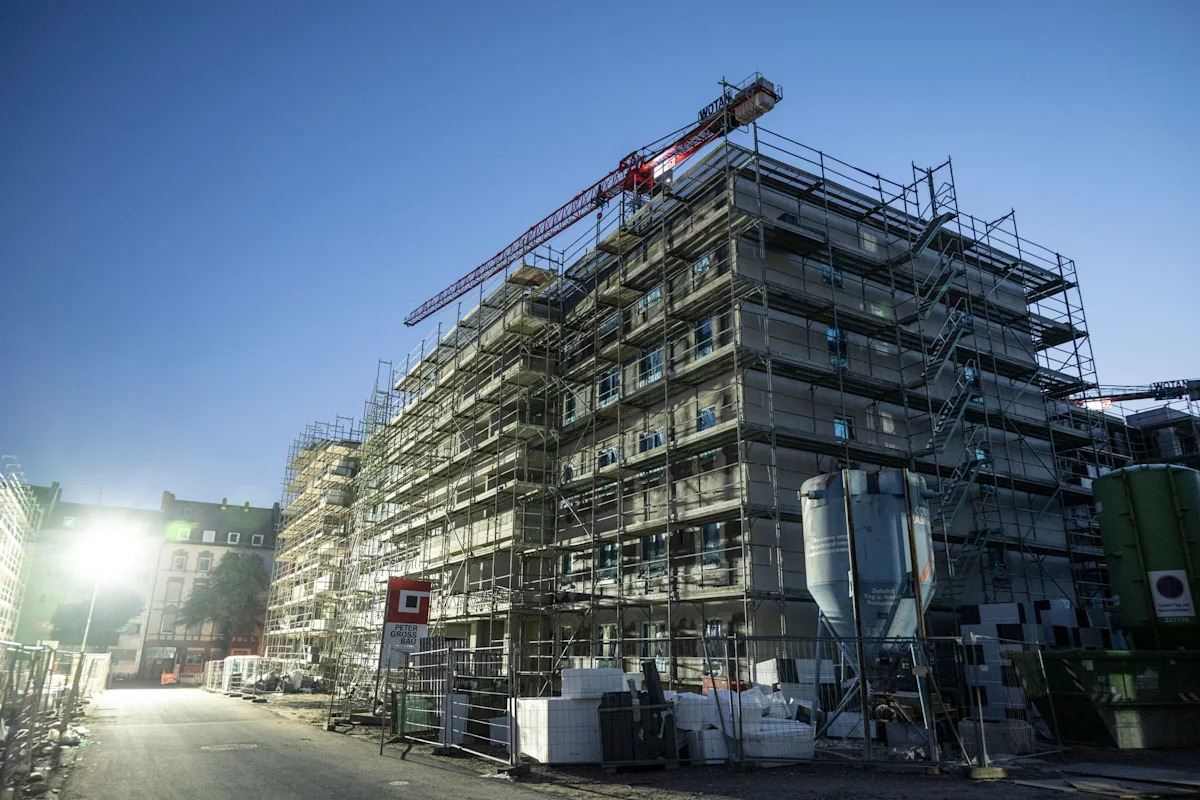
BERLIN — Germany's prolonged house-building crisis has shaved 0.6 percentage points off the country's gross domestic product, according to a study analyzing the fallout from the housing construction downturn. The finding highlights how a sector that long powered Europe's largest economy has turned into one of its most significant drags, weighing on growth at a time when Germany can ill afford it.
For an economy valued at more than 4 trillion euros, a loss of 0.6 percentage points represents tens of billions of euros in foregone output. Economists note that such a gap is large enough to matter for national growth figures, particularly given that Germany's overall economy has barely expanded in recent years and has flirted with recession.
The study's central conclusion points to the steep decline in residential construction activity that has unfolded since borrowing costs began climbing sharply. Higher interest rates, elevated prices for materials and labor, and tighter financing conditions have combined to make many housing projects unprofitable, prompting developers to shelve plans and construction firms to see order books thin out dramatically.
The numbers behind the slump are stark. Building permits for new apartments have collapsed to levels far below what is needed to meet demand, and housing completions have fallen well short of the government's own targets. Industry associations have warned for months that the country is building far fewer homes than its growing population requires, deepening an already acute shortage in major cities.
The consequences extend beyond the construction sites themselves. Residential building is closely tied to a wide network of suppliers, tradespeople and service providers, meaning that when homebuilding stalls, the pain radiates across the wider economy. Employment in the sector has come under pressure, insolvencies among developers and contractors have risen, and municipalities are collecting less revenue from property-related activity.
The study frames the downturn not merely as a cyclical dip but as a structural problem with lasting costs. Every year in which housing construction runs below potential represents lost output that cannot easily be recovered, while the shortage of affordable housing continues to push rents upward and strain household budgets across the country.
Researchers point to a mix of culprits: interest rate hikes that more than doubled financing costs, regulatory requirements that added complexity and expense to projects, lengthy approval procedures, and uncertainty over subsidies that caused both investors and buyers to hold back. The result has been a market in which too few projects pencil out financially, even where demand for housing remains overwhelming.
Berlin has acknowledged the scale of the problem. Policymakers have pledged to speed up planning and permitting, roll back certain regulatory burdens, and revive support programs for new construction. Officials argue that getting homebuilding moving again is essential both for social reasons — ensuring affordable places to live — and for economic ones, given how heavily the construction slump has weighed on growth.
Industry representatives, however, say the measures announced so far fall short of what is needed. They are calling for faster approvals, tax incentives, and reliable long-term funding frameworks to restore confidence, warning that without decisive intervention, companies will continue cutting capacity and skilled workers will leave the sector permanently.
With the German economy struggling to regain momentum, the study's authors argue that reviving homebuilding offers one of the clearest opportunities to unlock growth. If construction activity were restored toward the levels needed to satisfy demand, the analysis suggests, a meaningful portion of the lost output could be clawed back — turning one of the country's biggest economic handicaps into a renewed engine of expansion.
--- END ---







Comments (0)