 rizky-amelia
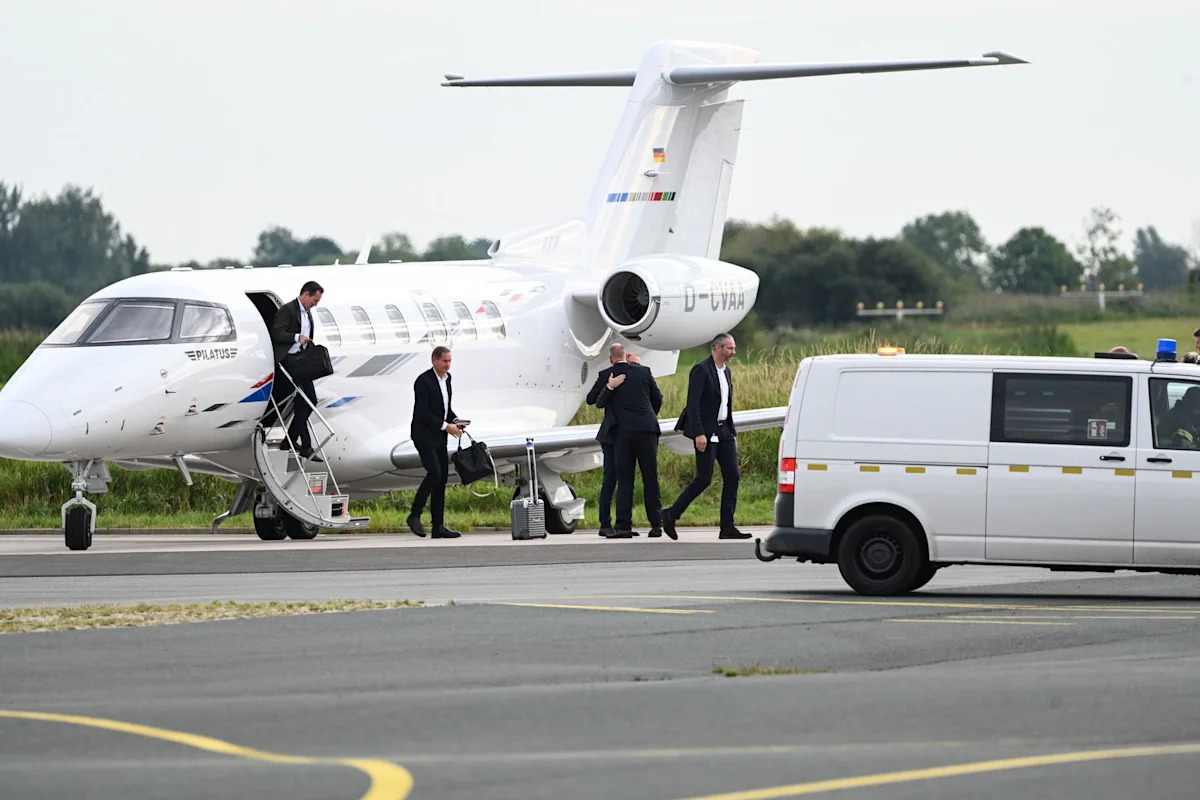
Volkswagen's chief executive has travelled to one of the company's German sites that is officially classified as at risk, using the visit to deliver a stark message about the cost pressures confronting Europe's largest carmaker. The appearance comes at one of the most delicate moments in the group's postwar history, with management refusing to rule out plant closures in Germany for the first time ever.
The visit underscores how seriously Volkswagen's leadership is treating the crisis facing its domestic operations. By showing up in person at a facility whose future hangs in the balance, the chief executive sought to confront workers directly rather than communicate through statements, while also stressing that the company's elevated cost base can no longer be sustained if it is to remain competitive.
At the heart of the dispute is a simple arithmetic problem that management has been pressing repeatedly in internal discussions: Volkswagen is producing vehicles in Germany at costs that are significantly higher than rivals can achieve elsewhere. Executives argue that without decisive structural reform, the brand will lose ground against competitors who have moved faster to cut expenses and adapt production.
The competitive landscape has shifted dramatically in recent years. New entrants, particularly from Asia, have captured market share with competitively priced models, while demand for cars in Europe has failed to recover to pre-crisis levels. At the same time, the industry-wide shift toward electric mobility is transforming what customers want and where vehicles are built, placing additional strain on traditional manufacturing footprints.
For the workforce, the stakes could hardly be higher. Tens of thousands of people are employed across Volkswagen's German plants, and entire towns depend on the company's presence. Labor representatives have reacted angrily to any suggestion of closures, arguing that the burden of restructuring should not fall on ordinary workers and pointing to the sacrifices already made during previous downturns.
Germany's powerful metalworkers' union has signaled it will resist aggressive cutbacks, setting the stage for difficult negotiations between management and employee representatives. In the German automotive tradition, major decisions at Volkswagen typically require consensus with labor, which holds seats on the supervisory board, making any confrontation especially consequential.
The state of Lower Saxony also maintains a significant blocking minority stake in the company, giving politicians in the region a formal voice in strategic decisions. Local officials have urged the company to protect employment, adding another layer of pressure on a board already weighing painful options.
Management's warning about costs is not new, but the tone has sharpened considerably. Leaders have described the situation facing the German operations as unsustainable, emphasizing that the company cannot simply wait for markets to improve. Instead, executives say, Volkswagen must act now to secure its long-term viability, even if that means measures once considered unthinkable.
Industry analysts note that Volkswagen is far from alone in grappling with these challenges. Carmakers across Europe are cutting shifts, reining in spending, and delaying projects as they navigate weakening sales and fierce price competition. Yet Volkswagen's scale, and its symbolic status as one of Germany's flagship employers, mean its decisions carry weight well beyond the company itself.
For now, all eyes remain on the negotiations ahead. Workers leaving the plant after the executive's visit reported a mix of anxiety and defiance, with many hoping that the personal engagement of top leadership signals a search for compromise rather than a prelude to closure. Whether that goodwill survives the hard bargaining to come will help determine not just the fate of individual factories, but the broader future of industrial manufacturing in Germany.
-- END --





Comments (0)