 hendra-wijaya
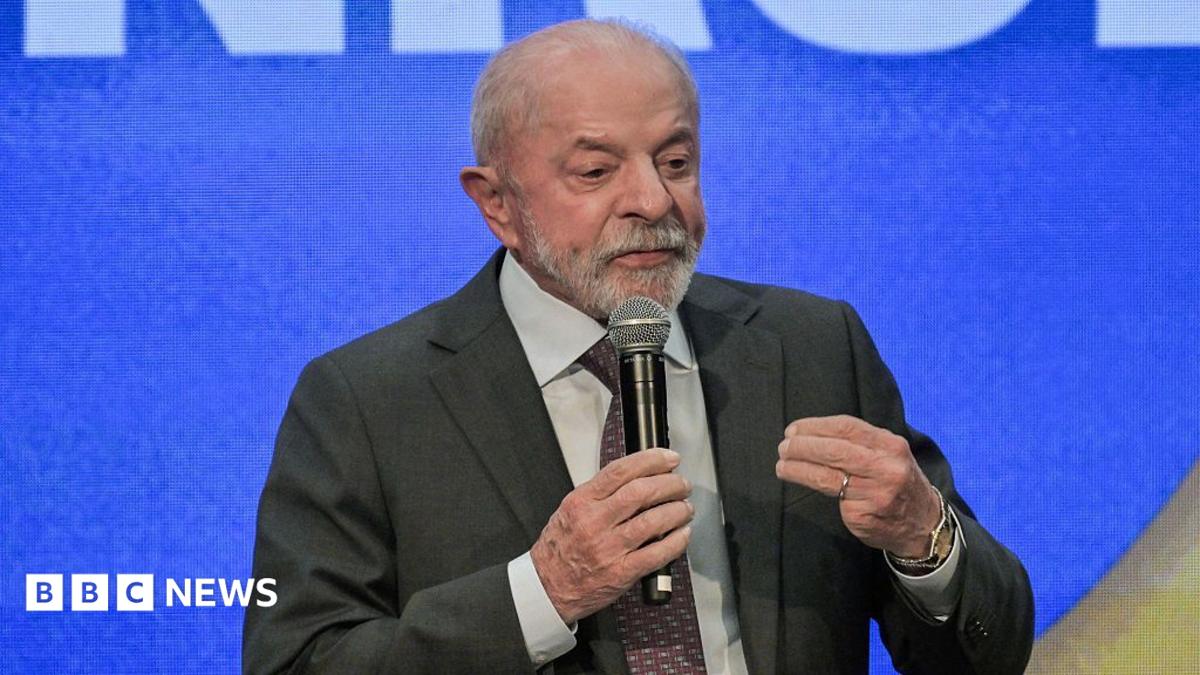
Brazilian President Luiz Inácio Lula da Silva has signed a provisional order prohibiting all sports betting and online casinos, a dramatic intervention that comes just days before Brazilians go to the polls in a presidential contest he is expected to fight for a fourth term. The left-wing leader announced the measure in São Paulo on Friday, framing the roughly seven-year-old regulated betting market as a public health emergency rather than a legitimate industry.
The order gives punters and bookmakers until 5 October to withdraw any existing funds from online betting accounts and immediately bars new deposits. Legally, the move is not self-executing: under the terms Lula signed, the new rules must be approved by Congress within 120 days if they are to remain in force. Lula used the occasion to sign a separate bill establishing criminal offences connected to fixed-odds betting, the format that accounts for the vast majority of online sports wagering in the country.
Those stakes are enormous. Brazil legalised online betting in 2018, and the sector has expanded at breakneck speed since. Broadcasters report that betting firms took in 62.5bn Brazilian reais in 2025, while the country's leading football clubs — the so-called "big twelve" — collectively received 1.1bn reais ($212m; £160m) in sponsorship and marketing payments from those same companies in the same period. Most forms of gambling, including casinos and slot machines, remain illegal in Brazil, which makes the online segment the conspicuous exception to a largely restrictive national framework.
Lula's case for the ban rested on addiction and household ruin. In his announcement, he described the industry as a "cancer" and posed a stark choice for the country: either the tumour is removed, or it kills the patient. He said he had received accounts from families who had been forced to sell everything they owned because of gambling addiction. Earlier in the week, addressing the UN General Assembly, he accused the industry of turning addiction into profit. He also argued that access was effectively unrestricted, with no particular safeguards stopping children and teenagers from reaching betting platforms, and pledged that Brazil would not allow betting companies to trade on the income and lives of its families.
The timing is hardly accidental. Just over a week before the first round of voting, recent polling puts the 80-year-old president almost level with his opponent, Flávio Bolsonaro, the son of the incarcerated former president Jair Bolsonaro. A sweeping, electorally popular intervention on a quality-of-life issue therefore arrives at maximum political value, with polling consistently showing that Brazilians are worried about the sector's effects on household finances.
Flávio Bolsonaro did not accept the framing. Speaking at a campaign rally in Rio de Janeiro on Friday, as Reuters reported, he called the crackdown populist, hypocritical and politically motivated. Lula, for his part, conceded that online betting was permitted under the administration of Michel Temer but argued that it had grown without regulation during Bolsonaro's time in office — a claim that sits awkwardly with the fact that the two men are now opponents, and with the financial entanglements between betting companies and football clubs that have flourished in the interim.
The football establishment has responded forcefully. Grêmio, one of the "big twelve" clubs, noted ahead of Lula's announcement that sports betting firms had become one of the main sources of revenue for the sport since the activity was made legal. It warned that changing the law would not only open a door to illegal betting but deliver what it called a fatal blow to Brazilian football, driving many clubs towards insolvency. With more than half of the industry's annual turnover flowing into an already financially fragile football economy, the sector's backing of the ban is unlikely to go unchallenged.
Industry bodies have mounted their own lobbying effort. The Brazilian Institute for Responsible Gaming, a trade group representing around 75% of the domestic betting sector, said a total ban on fixed-odds betting placed the entire industry at risk and threatened up to 58-73bn reais in revenue. In a statement, it contended that the ban fails to eliminate existing demand, and that punters who migrate to illicit operators would lose the protection mechanisms that the regulated environment currently provides — including age checks, self-exclusion routes and dispute resolution. Instead of prohibition, IBJR urged the federal government to tighten and enforce betting regulation.
Public opinion appears to be on Lula's side. A survey by Atlas and Bloomberg published this week found that 59.9% of Brazilian adults support banning internet betting outright — a striking level of consensus for a measure that strips a fast-growing industry of its legal basis, and a reminder of how far the reputational damage of betting has spread in a country where offline gambling remains largely unlawful.
The next few weeks will determine whether the order survives. Congress has 120 days to consider the measure, and the club and operator backlash gives it a well-organised lobby for resisting or reshaping the ban. Lula's own coalition, meanwhile, must balance the policy's evident popularity with the economic and sporting disruption it threatens. The most likely near-term effect is a migration of bettors to unauthorised offshore and domestic operators — precisely the outcome clubs and the trade body warned about — while the first round of voting on 5 October will show whether the issue helps or merely accompanies Lula's bid for a fourth term.
CONTENT_END









Comments (0)