

Japan's Beer Giants Under Investigation as Regulators Probe Alleged Price-Fixing Cartel
Japan's competition watchdog has launched a sweeping investigation into the country's largest beer producers over suspicions that they coordinated to inflate prices, sending shockw
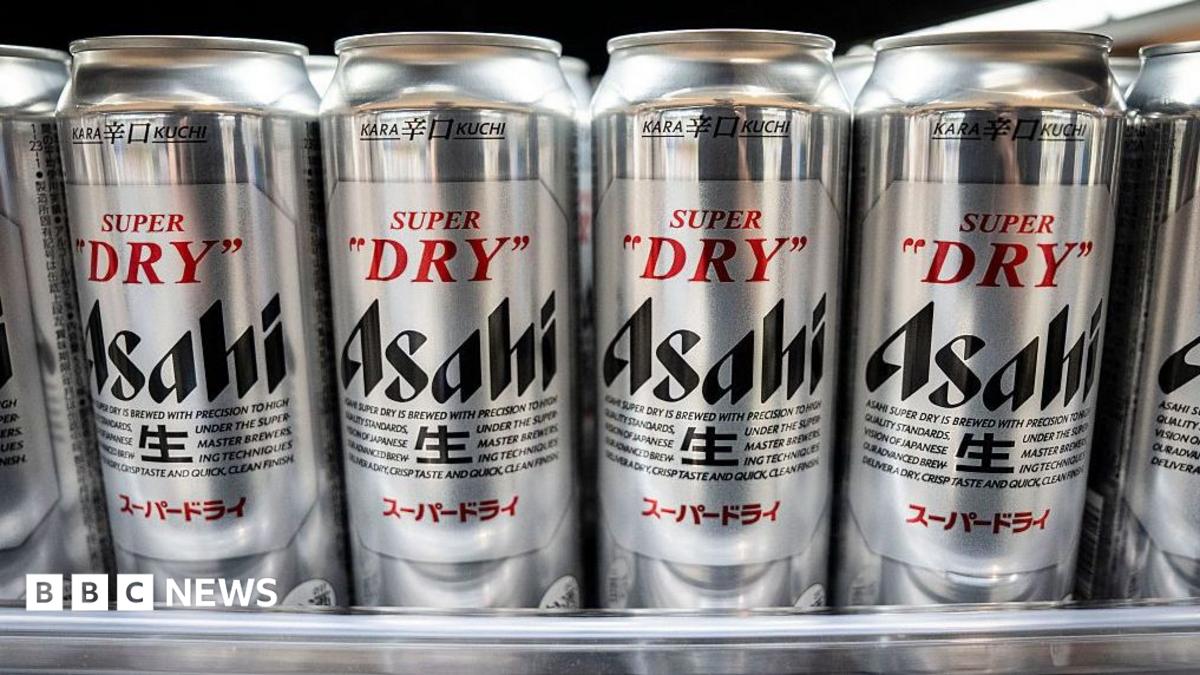
Japan's competition watchdog has launched a sweeping investigation into the country's largest beer producers over suspicions that they coordinated to inflate prices, sending shockwaves through one of the nation's most iconic industries.
The Japan Fair Trade Commission conducted raids on the premises of Asahi and Kirin, two of the country's dominant brewing conglomerates, according to confirmations provided by both companies to the BBC. The companies stated they are fully cooperating with the government authority's inquiry.
Reports indicate that Sapporo Breweries and Suntory Spirits may also have been targeted in the investigation, though officials have not publicly confirmed these actions. Both firms have been approached for comment regarding the raids.
The investigation appears to focus on coordinated price increases implemented in April of last year and October 2022, according to reporting by the Japan Times. During both periods, all four major brewers announced hikes to their product prices, citing escalating costs for raw materials alongside other operational expenses including energy and transportation.
Following the emergence of news about the investigation on Wednesday, share prices for Asahi, Kirin, and Sapporo all experienced declines in trading. Suntory, which remains privately held, does not have publicly traded shares and therefore was not subject to the same market reaction.
Kirin Holdings issued a statement confirming that its subsidiary, Kirin Brewery Company, had been searched "on suspicion of a violation of the Antimonopoly Act." The parent company characterized the situation as one it takes "very seriously," pledging complete cooperation with the Japan Fair Trade Commission's investigation and any associated requests for assistance.
The company further noted that "at present, the impact of this matter on the company's financial results has not been determined," while committing to prompt disclosure of any material developments as they arise.
Asahi Breweries similarly acknowledged the investigation, stating it was "subject to investigation by the Japan Fair Trade Commission regarding a suspected violation of the Act on Prohibition of Private Monopolization and Maintenance of Fair Trade." The company added that it "will fully cooperate with the commission."
The Japan Fair Trade Commission has not yet issued public comments regarding the raids or the broader investigation.
Japan's beer market represents one of the most significant and competitive in the world, with the four major producers commanding substantial market share. The industry has long been characterized by intense rivalry, particularly during seasonal promotional periods when companies compete aggressively for consumer loyalty.
The alleged coordination, if proven, would mark a significant breach of Japan's antitrust regulations, which prohibit companies from engaging in practices that unreasonably restrain trade. Such violations can result in substantial penalties, including fines and potential criminal referrals.
Price-fixing investigations in Japan have historically attracted considerable public attention, particularly when they involve everyday consumer products. Beer holds a special cultural significance in the country, serving as a staple at social gatherings, after-work events, and seasonal celebrations.
The timing of the alleged price increases is notable, occurring during a period of broader economic pressure in Japan. Like many nations, the country grappled with rising inflation and increased costs across supply chains following the global pandemic and geopolitical tensions affecting energy markets.
Companies across various sectors faced legitimate cost pressures during this period, making it challenging to distinguish between necessary price adjustments and potentially illegal coordination. This complexity may complicate the investigation as regulators seek to determine whether the simultaneous price hikes resulted from independent business decisions or explicit collusion.
Antitrust experts note that proving price-fixing typically requires evidence of communication or agreement between competitors, rather than merely parallel pricing behavior. The Japan Fair Trade Commission will likely examine internal communications, meeting records, and other documentation seized during the raids.
The investigation could have far-reaching implications for corporate governance practices within Japan's food and beverage sector. A finding of violation could prompt broader scrutiny of pricing practices across related industries and potentially lead to enhanced compliance requirements.
For consumers, the outcome may influence future pricing strategies among brewers and potentially result in refunds or other remedies if the investigation concludes that illegal coordination occurred. Consumer advocacy groups have historically pushed for stricter enforcement of competition laws in essential goods markets.
The companies involved have not indicated whether they plan to contest any potential findings or pursue settlement discussions with regulators. Legal proceedings related to antitrust matters in Japan can extend over considerable periods, with outcomes sometimes taking years to resolve fully.
Market analysts will be closely monitoring developments, as any penalties or operational restrictions could affect competitive dynamics within the industry. The investigation's progression may also influence investor confidence in the affected companies and potentially reshape strategic planning within the sector.
As the probe continues, all four companies are expected to maintain normal operations while cooperating with authorities. The Japan Fair Trade Commission's findings will ultimately determine whether the alleged coordination constitutes a violation of the country's competition laws and what consequences may follow.
What's Your Reaction?
 Like
0
 Dislike
0
 Love
0
 Funny
0
 Wow
0
 Sad
0
 Angry
0

Fact Checker Politik. Memverifikasi klaim publik, pidato pejabat, dan informasi viral. Anggota jaringan cek fakta Indonesia.





Comments (0)