 rizky-amelia
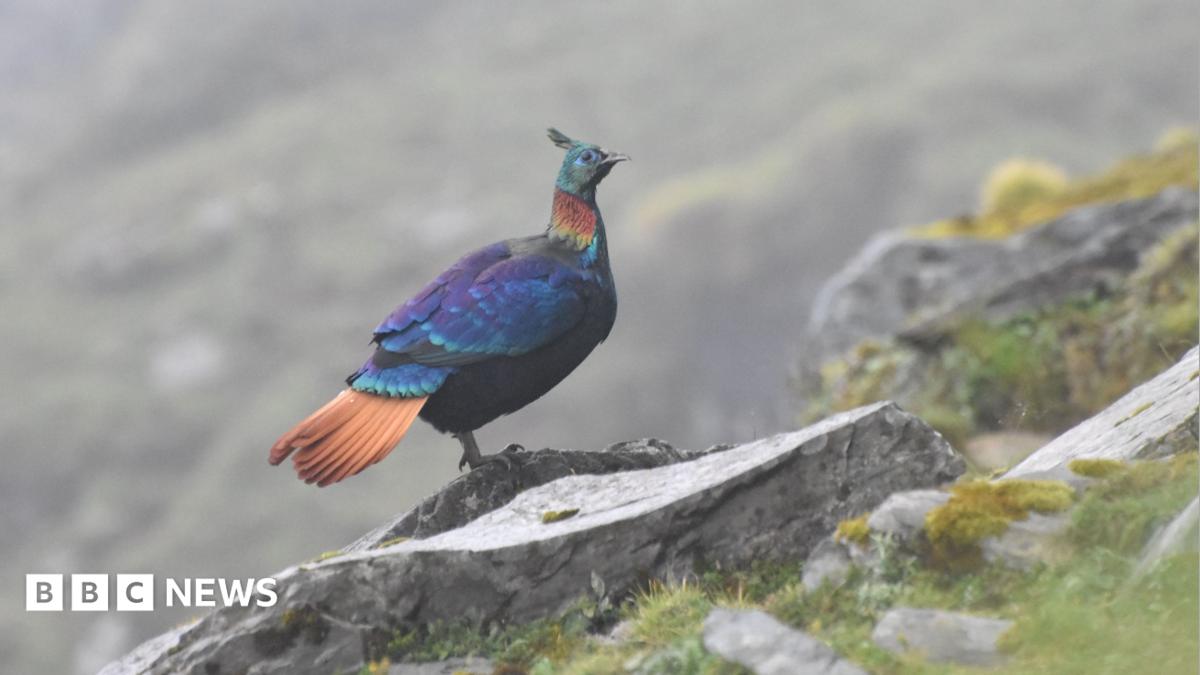
Two separate studies conducted by researchers in India have found that the Himalayan monal, one of the region's most striking birds, is being forced to alter both its communication and its habitat in response to growing human activity in the mountains. The findings, released after five years of fieldwork and modelling, suggest that infrastructure development, unregulated tourism, and climate change are placing the pheasant under increasing strain.
The monal occupies a special place in Himalayan culture. The male bird, adorned with iridescent green, blue, and copper plumage, serves as the state bird of Uttarakhand in India and the national bird of Nepal. Its image appears in folklore and local identity across the mountain range, making it far more than just another species in the forest.
Dr Rajeev Lochan, the lead researcher on both studies, explained that the monal was selected for investigation because of its unusually narrow habitat range. The bird migrates seasonally between the lower montane zone on the mountain slopes and the high-elevation alpine meadows above the tree line. This movement pattern, he said, makes the monal a critical indicator of ecosystem health in the north-western Himalayas. If the species is struggling, Lochan noted, it is likely that other, more sensitive birds are facing even greater ecological disturbances.
The first study examined how climate change could reshape the monal's suitable habitat across the Indian Himalayan region, focusing on Uttarakhand and Himachal Pradesh. Researchers used global climate models and emissions scenarios of the kind employed by the Intergovernmental Panel on Climate Change, the United Nations' climate science body. Their projections suggest that the bird's habitat will continue to shrink and become destabilised through the year 2100 under multiple climate scenarios.
According to the study, the birds are already being pushed upward as snow melts and vegetation expands into previously inhospitable areas. At the same time, their natural habitat in alpine meadows is being encroached upon by human development. The model assumes that the monal will still require the current climate conditions found in alpine meadows in the future—a reasonable but not entirely certain premise. As suitable areas contract and fragment, the birds' seasonal migration could become increasingly difficult.
The consequences of this fragmentation are significant. The researchers warn that monal populations could become scattered across disconnected pockets, reducing opportunities for breeding between different groups. This isolation raises the risk of long-term population decline or even local extinction, threats that the study says are already present. The findings project that climate change will continue to destabilise the bird's habitat throughout the Indian Himalayas for the remainder of the century.
The second study, also led by Lochan along with Dinesh Kumar Sharma and Anand Kumar of Hemvati Nandan Bahuguna Garhwal University, focused on behavioural changes. Researchers conducted fieldwork in two valleys within the Kedarnath Musk Deer Sanctuary in Uttarakhand, including Chopta, a popular tourist destination known for its busy traffic and human presence.
What they found was that the monal is altering its pitch to cut through the noise generated by human activity in the busy valley. This acoustic adjustment, while potentially helping the bird communicate in the short term, signals a broader disruption to its natural behaviour. The monal relies on vocalisations to attract potential mates and to communicate with rivals, meaning any change in how it calls could have implications for reproduction and social dynamics.
Vishal Singh, an environmental practitioner who works on ecology and climate issues in the Himalayas, described the dual findings as a warning sign. He pointed out that if the monal—a relatively adaptable species—is being forced to change both its voice and its address, then more sensitive species are likely under even greater pressure.
Singh also highlighted the underlying tension between economic development and ecological preservation in the region. While the Himalayas have always attracted tourists, trekkers, and researchers due to their scenic landscapes and rich biodiversity, rapid infrastructure expansion over the past decade has made more areas accessible. This has increased footfall and disrupted wildlife, adding to the mounting pressures on the region's already vulnerable biodiversity.
The studies suggest that the monal can be viewed as a stand-in for the health of an entire fragile ecosystem that is being pushed toward a tipping point. The combination of unregulated tourism, heavy urbanisation, and climate change is creating conditions that threaten not only the monal but the broader web of life in the Himalayan mountains. As Singh put it, the economic development of the region is not aligned with its ecological integrity.
The research carries implications beyond the monal itself. The bird's narrow habitat range and seasonal migration make it an early warning system for the Himalayas, a region already recognised as highly vulnerable to climate change. If the monal is struggling to find suitable habitat and to communicate effectively, the researchers argue, other species with even more specialised needs may be silently declining.
Both studies call attention to the need for conservation strategies that account for the combined effects of climate change and human disturbance. Understanding how wildlife responds to these pressures is essential for predicting which species are most at risk and for designing interventions that might slow or reverse the damage. For now, the monal's changing voice and shifting address serve as a stark reminder of how human activity is reshaping the natural world—even in some of the most remote and beautiful places on Earth.









Comments (0)