 rizky-amelia
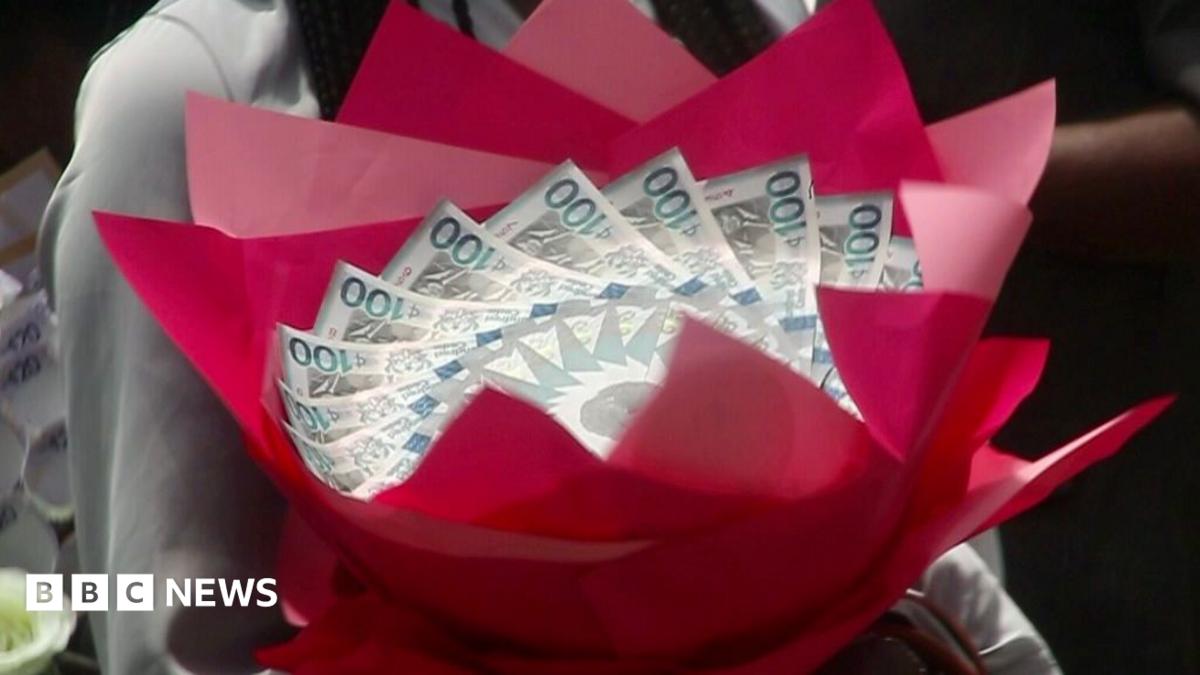
Ghanaian law enforcement authorities have arrested seven women accused of crafting decorative arrangements known as "money bouquets" using the country's national currency, marking the most significant enforcement action yet against a practice that has flourished across social media and event culture in recent years.
The arrests, carried out in the capital Accra during a coordinated operation between police and the Bank of Ghana, followed a tip-off that directed investigators toward the suspects, who allegedly sold the currency-based floral arrangements in various neighborhoods throughout the city.
The Bank of Ghana has characterized the creation and sale of such bouquets as a direct violation of regulations governing the proper handling of the cedi, the West African nation's currency. Central bank officials contend that folding, displaying, and commercializing banknotes in this manner constitutes improper use that undermines the currency's status and dignity.
In July, the central bank issued a public notice explicitly warning that such activities could result in criminal liability. The notice cautioned against "acts that tend to depreciate or impair the national currency, including any conduct that undermines its lawful value or use," establishing a legal foundation for the enforcement actions taken this week.
The suspects, whose names have not been released, are expected to face prosecution. If convicted, they could be subject to fines or imprisonment, with the specific penalty to be determined by the courts. Police have indicated that investigations remain ongoing and further arrests have not been ruled out.
Speaking on behalf of the central bank's currency department, Dinah Bonzi emphasized that the arrests should function as a deterrent to others considering similar activities. She stated that the Ghana cedi is legal tender that demands respect, and that misuse or abuse of the currency constitutes an offense subject to legal sanctions.
"Today's arrest should serve as a clear warning to the public," Bonzi remarked, urging citizens to handle the national currency with dignity. She further noted that individuals who assist or promote such activities could also face arrest and prosecution, extending potential liability beyond those directly involved in manufacturing the arrangements.
The practice of presenting money in decorative forms has grown increasingly popular in Ghana, particularly as gifts for weddings, birthdays, graduation ceremonies, and other significant life events. Vendors have capitalized on this trend by creating elaborate bouquets where folded banknotes replace traditional flowers, often wrapped in colorful paper and presented as luxury gifts.
Beyond money bouquets, the central bank has repeatedly cautioned against other currency-related practices, including "spraying" — the act of throwing money into the air at celebrations such as weddings — as well as writing on, altering, or defacing banknotes. These activities have similarly been classified as offenses under existing regulations.
The phenomenon is not unique to Ghana. Authorities in several other African nations, including Kenya, Nigeria, South Africa, and Botswana, have issued comparable warnings against misusing their respective national currencies. Kenya's central bank, for instance, has explicitly warned that banknote bouquets could result in jail time, reflecting a broader continental concern about the treatment of legal tender.
This regional pattern suggests that as money-decoration trends spread through social media and cross-border cultural exchange, central banks are increasingly viewing such practices as threats to currency integrity that warrant coordinated enforcement responses.
Ghana's enforcement action represents a notable escalation from mere warnings to concrete legal consequences. While previous advisories from the Bank of Ghana had cautioned the public about potential violations, the Accra arrests signal a shift toward active prosecution, potentially setting a precedent for how similar cases will be handled in the future.
The outcome of these proceedings will be closely watched by legal analysts, currency experts, and event vendors alike, as the courts will ultimately determine the severity of penalties associated with such offenses. The precedent established could influence enforcement strategies across the region.
For ordinary Ghanaians, the arrests serve as a reminder that currency regulations extend beyond counterfeiting and fraud to encompass how banknotes are displayed and used in social settings. The central bank's message appears clear: respect for the cedi must be maintained in all contexts, including celebratory ones.
As investigations continue and the suspects prepare to face legal proceedings, the case highlights the tension between cultural practices that have gained popularity and regulatory frameworks designed to protect the integrity of national currencies. The coming legal proceedings will determine whether Ghana's courts will uphold the central bank's strict interpretation of currency misuse laws.










Comments (0)