 rizky-amelia
The Federal Reserve has implemented its first interest rate hike in more than three years, lifting borrowing costs in an effort to rein in persistent inflation across the United States. Following a unanimous vote on Wednesday, the central bank raised its benchmark policy rate by a quarter of a percentage point, shifting the target range to 3.75%-4% from its previous level of 3.5%-3.75%.
The decision marks a definitive pivot for the central bank, which had not tightened monetary policy since July 2023. Prior to Wednesday's announcement, the Fed's most recent policy adjustment had been a rate reduction in December 2025. Policymakers warned that additional upward adjustments may still be required in the coming months should consumer price pressures fail to abate.
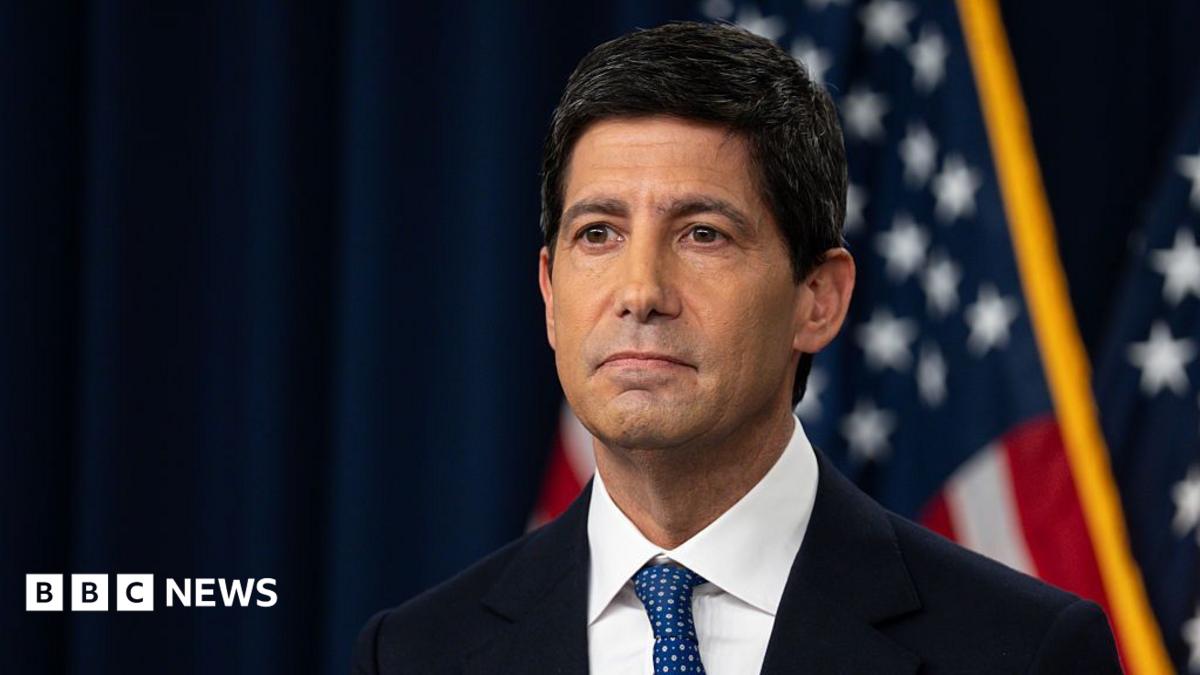
Explaining the unanimous decision, Federal Reserve Chair Kevin Warsh characterized the policy tightening as a sober and responsible measure necessary to stabilize the economy. Warsh pointed out that inflation has consistently exceeded the central bank's desired levels for more than five years, asserting that price increases have remained excessively elevated for far too long.
The monetary tightening was enacted in direct defiance of calls from President Donald Trump, who has forcefully argued that borrowing costs should be reduced significantly. Trump publicly reiterated his stance after the announcement, declaring on social media that the central bank ought to slash interest rates to 1% or lower, arguing that the nation boasts the best credit standing in the world and urging the Fed to act fast.
During a news conference following the policy release, Warsh deflected questions regarding the friction with the executive branch. When asked what message the rate hike sent to the president, the Fed chair chuckled and stated he had no details regarding discussions with the White House, emphasizing that an essential component of the central bank's institutional independence is maintaining focus on its mandate and staying in its own lane.
The relationship between the White House and the independent central bank has experienced sustained strain, with Trump having previously leveled sharp criticism against Warsh's predecessor, Jerome Powell, who stepped down after his term ended earlier this year. In comments delivered to Fox News before the decision, White House press secretary Kush Desai maintained that the administration continues to uphold the Fed's formal independence, while asserting the president retains the right to publicly voice his views on economic matters.
The central bank's decision comes against a backdrop of escalating geopolitical turmoil and heightened commodity market volatility. Global crude oil prices have surged considerably following the outbreak of the US-Israel conflict with Iran, driving up domestic transportation costs and exerting upward pressure on goods and services throughout the economy.
These energy spikes have pushed average domestic gasoline prices above $4 per gallon, while retail diesel fuel costs have climbed to an unprecedented record high. Warsh acknowledged that central bank mechanisms cannot directly suppress individual commodity spikes, such as the price of automotive fuel or groceries on store shelves, but maintained that raising rates serves as a vital safeguard to prevent sector-specific increases from broadening into generalized, economy-wide inflation.
Federal Reserve officials noted that the foundational strength of the wider economy and the resilience of the labor market gave them sufficient leeway to prioritize price stabilization. Warsh highlighted that controlling runaway inflation is particularly critical for vulnerable households, arguing that lower-income families stand to gain the most when the cost of everyday necessities is brought under control.
The quarter-point rate adjustment had an immediate ripple effect across the commercial banking system. Major financial institutions including JP Morgan, KeyCorp, and BNY moved promptly on Wednesday to raise their prime lending rates from 6.75% to 7%. This shift will directly translate into higher borrowing expenses for consumers using credit cards, taking out personal loans, or carrying variable-rate debt.
The housing market is also poised to absorb the impact of the policy tightening, as mortgage rates are heavily influenced by the Fed's rate posture. According to data from Freddie Mac, the average 30-year fixed-rate mortgage currently stands at 6.76%, while the 15-year fixed loan averages 6.09%. Although current homeowners with long-term fixed rates will not experience changes to their monthly payments, higher borrowing costs will place additional financial strain on prospective buyers seeking new financing or homeowners wishing to refinance.
Looking ahead, economic projections indicate that monetary policy could tighten further before easing. While Warsh declined to give a personal forecast for the benchmark rate, a majority of Federal Reserve policymakers projected that the policy rate will likely be raised again before the end of the year into a range of 4% to 4.25%.
Furthermore, a small majority of Fed officials anticipate that borrowing costs could rise into a band of 4.25% to 4.5% next year. Under current forecasts, rate cuts are not projected to materialize until 2028 and 2029, by which time inflation is anticipated to steadily decline back to the central bank's official 2% target.
The United States is not alone in grappling with inflationary fallout linked to the Middle Eastern conflict and broader market disruptions. The European Central Bank implemented its own interest rate increase last week, and the Bank of England is scheduled to deliver its policy rate decision on Thursday as central bankers worldwide navigate similar price pressures.
The resurgence of inflation and rising financing costs carry major domestic political ramifications as the November mid-term elections approach. Household affordability and the rising cost of living continue to rank as paramount concerns for American voters, ensuring that the Federal Reserve's economic interventions will remain at the center of national debate.





Comments (0)