 rizky-amelia
Spanish Prime Minister Pedro Sánchez has announced an early general election for 29 November, a move that comes on the heels of legislative setbacks related to the nation's escalating housing crisis. The surprise decision, delivered in a televised address on Monday, follows a weekend of intensifying political pressure after parliament voted down two key decree laws proposed by his minority government.
The rejected legislation was designed to shield tenants in the rental market, a response to public outrage over a specific eviction that has become a national flashpoint. Speculation about a snap election had been mounting throughout the weekend as it became clear the government lacked the parliamentary support to advance its housing agenda.
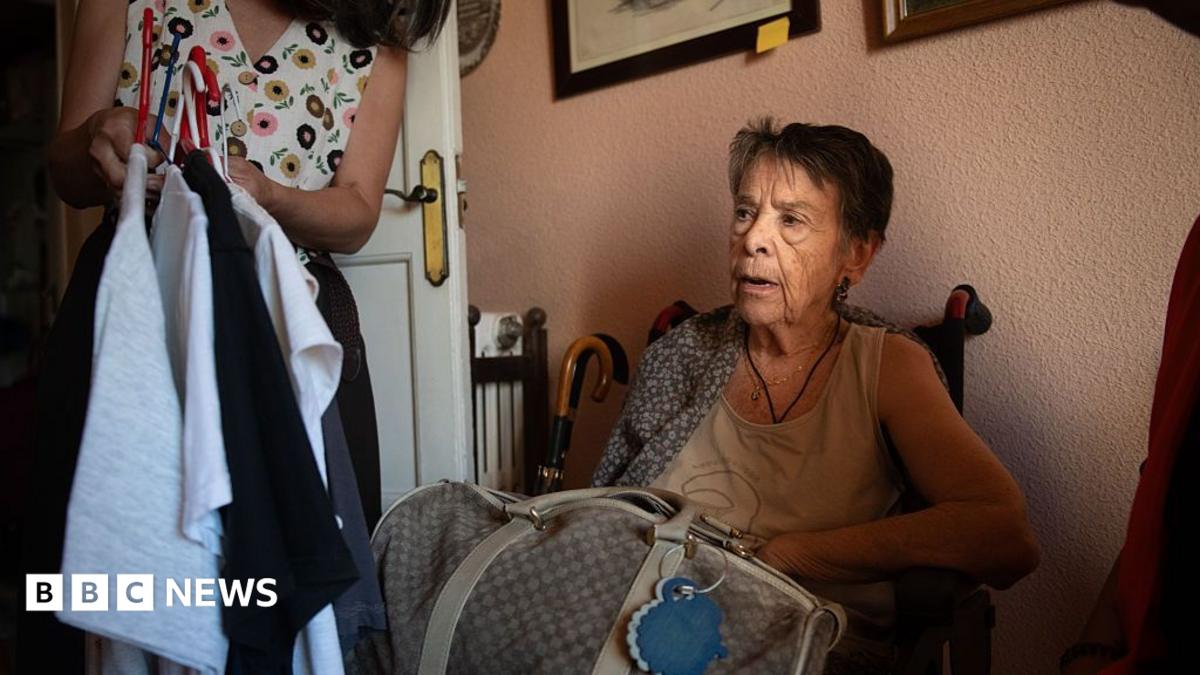
At the heart of the public fury is the case of Maricarmen Abascal, an 87-year-old woman who was forcibly removed from her Madrid apartment of more than 70 years on 23 September. A legal loophole permitted her landlord to increase her rent from €500 to €2,650, an astronomical jump later reduced to €1,650—still €300 more than her monthly pension. Abascal was carried out on a stretcher and subsequently hospitalized, an image that ignited protests across the country.
In his address, Sánchez framed the election as a necessary step to secure a mandate for his reform agenda. He stated that to push through meaningful changes, he required "a broader progressive majority" capable of overcoming what he described as "the resistance of the elites." He also offered a rare acknowledgment of his government's shortcomings, admitting, "We have made mistakes and have not achieved everything we had set out to do," while noting persistent challenges in inequality, public services, and housing access.
The political context for this decision is complex. Sánchez's left-wing coalition, composed of his Socialist party and the junior Sumar alliance, does not hold a majority in the Spanish parliament. The government was not due to face voters until the summer of 2027 at the latest. Sánchez has been in power since June 2018, and his party finished second in the 2023 election, subsequently retaining power through agreements with left-wing parties and securing support from Catalan and Basque nationalist and pro-independence groups.
Opposition leader Alberto Núñez Feijóo of the conservative People's Party welcomed the election announcement, declaring, "At last, Spaniards will be able to decide." He characterized the upcoming vote not as "just another election" but as a pivotal choice between "decline or change, lies or change, incompetence or change, division or change, corruption or change." Most opinion polls suggest the conservatives are likely to emerge as the largest party, though they would probably need the support of the hard-right Vox party to form a government.
The housing decrees that triggered the political crisis were extensive. The first included a suspension of evictions for vulnerable tenants until 2030, a two-year extension for rental leases due to expire before 2028, tax increases on tourist apartments, and restrictions on purchases of residential properties by entities the government labels "vulture funds." The second, more contentious decree mandated the automatic renewal of rental contracts, a long-standing demand of left-wing parties and the tenants' organization Sindicato de Inquilinas.
The political right argued that the government's intervention in the housing market would backfire. Juan Bravo of the People's Party said last week, "Housing doesn't get cheaper with decrees, it gets cheaper with more homes," encapsulating the conservative critique that such measures would reduce the supply of rental properties and drive prices even higher.
The protests that erupted on Saturday saw tens of thousands of people take to the streets in Madrid, Valencia, and Barcelona, demanding greater protections for tenants. The scale of the demonstrations underscored how housing has become a defining issue in Spanish politics, galvanizing public anger over rising rents and perceived government inaction. Abascal's lawyer has since said she will be able to return to her home, but the incident has left an indelible mark on the national conversation.
Beyond housing, Sánchez's leadership has been buffeted by numerous corruption scandals in recent months. In April, his wife Begoña Gómez was charged with corruption following a two-year criminal investigation. She is accused of using her relationship with the prime minister to further her professional interests. The scandals, combined with pressures on cost-of-living issues and immigration, have eroded the government's standing and complicated its ability to legislate.
The election on 29 November will serve as a referendum on Sánchez's tenure and his coalition's handling of a confluence of crises. For the prime minister, the vote represents an opportunity to reset the political narrative and seek a renewed mandate for progressive reforms. For the opposition, it is a chance to capitalize on voter discontent and steer the country in a markedly different direction. As Spain grapples with an affordability crisis that has made housing the most pressing concern for many citizens, the outcome will have profound implications for the nation's social contract and its political future.







Comments (0)