 rizky-amelia
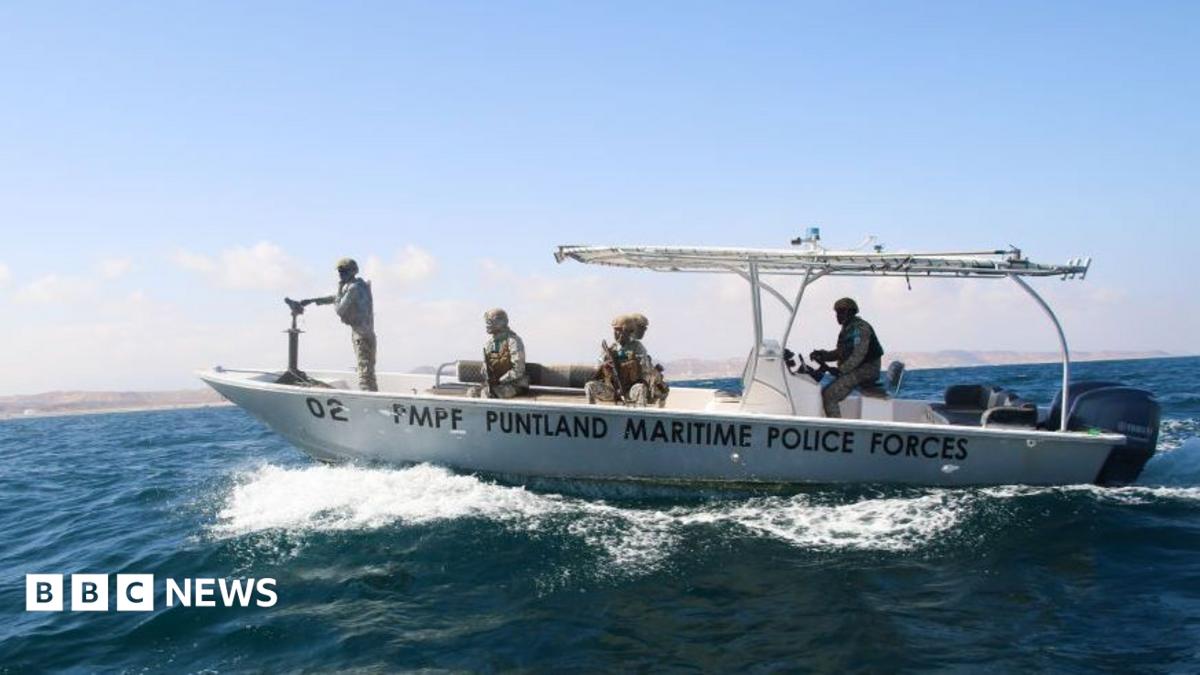
Five crew members aboard an oil tanker hijacked off the coast of Somalia were killed by their captors before regional security forces managed to storm the vessel and regain control, a senior official from Somalia's semi-autonomous Puntland region has told the BBC.
Bile Qabowsade, the deputy information minister of Puntland, said the five sailors were murdered by the pirates in the period before Puntland maritime forces boarded the MT Hoarner 25. The confirmation of the deaths marks a grim escalation in a hijacking that had already drawn attention because of the large quantity of fuel the vessel was carrying when it was seized.
According to Qabowsade, the deceased crew members comprised three Pakistani nationals, one Indian and one citizen of Myanmar. The nationalities of the victims reflect the diverse, multinational character of the crews that staff commercial shipping lanes running along the Horn of Africa, a route that remains vital to global trade despite its well-documented security risks.
A further four crew members were wounded during the ordeal, the deputy minister added. Those injured included three Pakistanis and one Indian. The condition of the four survivors has not been publicly disclosed, and it remains unclear whether they received medical treatment before or after the vessel was retaken by Puntland's security personnel.
The MT Hoarner 25 was carrying approximately 18,500 barrels of oil at the time of the seizure, with the cargo reportedly destined for Mogadishu, Somalia's capital. The hijacking was carried out in April by a group of six armed men, according to officials, who said the vessel was taken while it was sailing off the Somali coast.
The tanker was subsequently anchored near the shoreline between the coastal fishing towns of Xaafun and Bander Beyla, both located in the Puntland region, which has taken on a leading role in combating the resurgence of piracy in recent years. Puntland's maritime police force has stepped up patrols amid a marked increase in attacks on shipping.
When the hijacking was first reported in April, officials said 17 crew members were aboard the vessel. The initial accounts described a crew made up of 10 Pakistanis, four Indonesians, one Indian, one Sri Lankan and one Myanmar national. The discrepancy between that figure and the five deaths plus four injuries has not been fully explained by authorities, who have also declined to provide further detail on the precise circumstances in which the killings took place or how the pirates managed to overwhelm the ship in the first instance.
Sixteen suspected pirates have been arrested in connection with the hijacking, officials said, while a number of others escaped and are being pursued by security forces. Qabowsade specifically rejected suggestions that Puntland forces may have facilitated the escape of some of the perpetrators, pushing back against claims that could prove damaging to the regional administration's credibility at a time when it is presenting itself as a bulwark against maritime crime.
The piracy problem off Somalia's long coastline had been largely suppressed for more than a decade. International naval operations, including coordinated patrols by European, American and Asian navies, drove hijackings down sharply after 2011, when the crisis peaked and Somali pirates were seizing vessels and holding crews hostage for multimillion-dollar ransoms on a near-weekly basis.
In recent years, however, that progress has begun to unravel. Attacks and hijackings have increased again, a trend analysts link to a combination of factors: the distraction of international naval assets toward other flashpoints, including tensions involving Iran and disruptions in the Red Sea, as well as the persistent poverty and instability in coastal Somali communities that make piracy an economically attractive option for young men with few alternatives.
The hijacking of the MT Hoarner 25 fits a pattern that security analysts have observed over the past two years, in which smaller tankers and dhows have been targeted in the waters between Somalia and Yemen. Just months before this incident, a separate tanker was hijacked off the coast of Yemen by suspected Somali pirates, the second such seizure in a three-month window. That attack fueled concerns that pirate gangs are regaining the capability to operate far from their traditional hunting grounds.
The flow of oil through the Gulf of Aden and the wider Indian Ocean remains central to global energy supply chains. A single hijacking can disrupt shipping schedules, push up insurance premiums for vessels transiting the region, and force shipowners to invest in costly private security measures. Each successful attack therefore has consequences that extend well beyond the immediate victims and their families.
Maritime security experts argue that the long-term solution to Somali piracy lies as much on land as at sea. Without economic development in coastal communities, credible local governance and alternatives to the lucrative ransom economy, patrols alone are unlikely to eliminate the threat. Puntland's authorities have in the past been credited with running relatively effective anti-piracy programmes, but the latest surge suggests those efforts face mounting strain.
The killing of five crew members while in pirate custody will intensify pressure on both regional authorities and international naval coalitions to respond more forcefully. It also raises difficult questions about the safety protocols governing commercial shipping in high-risk waters, including whether vessels carrying hazardous cargo such as oil should travel with armed guards on board.
For the families of the dead and injured, the confirmation from Puntland's deputy information minister brings a devastating conclusion to a crisis that began months ago. For the wider shipping industry, it is a stark reminder that the waters off Somalia — once celebrated as a rare success story in the fight against maritime crime — remain dangerous, unpredictable and, increasingly, deadly.








Comments (0)