 rizky-amelia
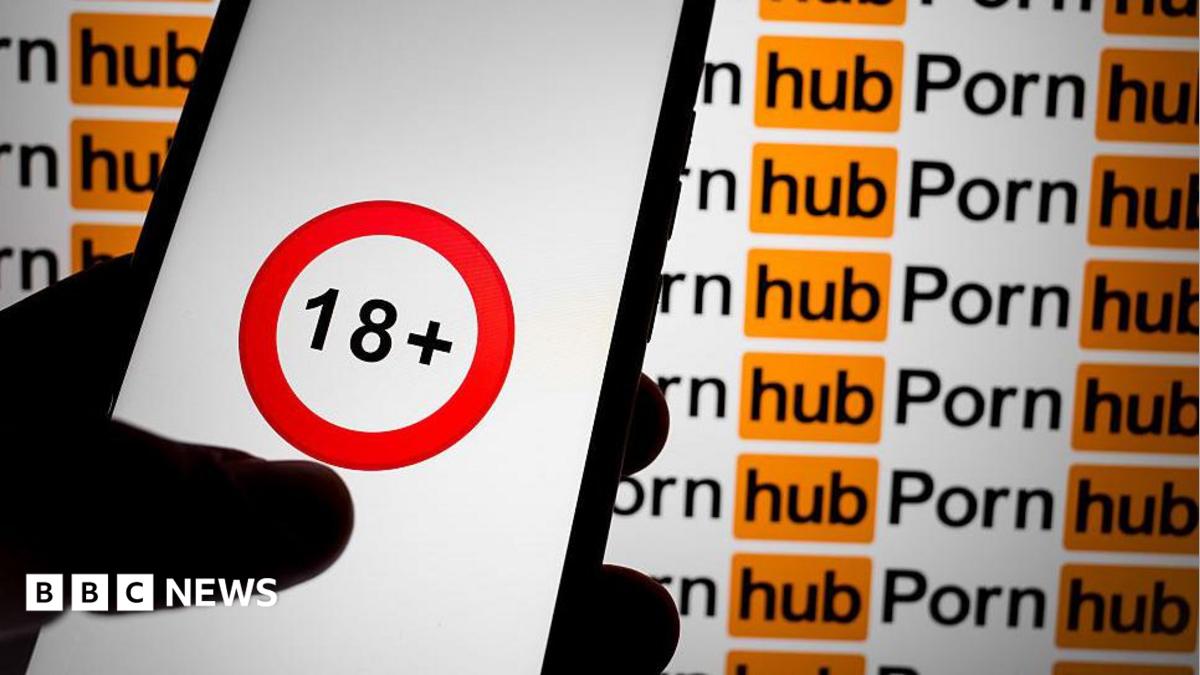
Pornhub has resumed operations in Australia, bringing an end to an eight-month blackout that began when the adult entertainment giant withdrew from the country in response to stringent new age-verification legislation. The return, however, comes with a significant caveat: only adults who access the site through Apple devices that have completed an age-verification process will be able to view its content. The development marks a notable shift in how the world's largest pornography platform is navigating Australia's increasingly strict online safety regime.
The parent company of Pornhub, Aylo, announced on Wednesday that it was reinstating access for what it described as "eligible adult users in Australia." According to the company, these are individuals who have confirmed their age through Apple's Australian age-verification process. The move effectively limits Pornhub's availability to a specific subset of users, creating a two-tiered access system that hinges on the type of technology Australians use to go online.
The site had gone dark in Australia back in March, when Aylo made the decision to pull out of the market entirely rather than comply with the new laws. At the time, the company argued that the requirements for users to prove they were over 18 would not actually succeed in protecting children from harmful content. Instead, Aylo contended that the measures would "create harms relating to data privacy" and would inadvertently push users toward non-compliant platforms that do not adhere to safety regulations, potentially exposing them to even greater risks.
The legislation that triggered the standoff was introduced in March and applies broadly to adult content across the internet. Under the new rules, Australians must prove they are at least 18 years old to access pornography, R-rated video games, and sexually explicit AI chatbots. The country's online safety regulator has stated that these changes are designed to shield minors from harmful material, and platforms that fail to comply face substantial fines. The regulator has positioned the laws as a necessary step in an era where children can easily stumble upon age-inappropriate content online.
Apple's involvement has been pivotal in Pornhub's decision to return. The tech giant recently rolled out new age-checking mechanisms in Australia, following an earlier implementation in the United Kingdom. These measures are designed to determine whether a user is an adult before allowing access to certain types of content or applications. Aylo has praised Apple's approach, saying the company has "set a benchmark" by enabling default child safety features on all devices unless the owner has confirmed they are an adult.
In practice, this means that every iPhone or iPad in Australia is configured to be "kid-safe as a starting point," according to Aylo. The company said this device-level verification framework is precisely the kind of solution it has long advocated for. Alex Kekesi, Aylo's vice-president of brand and community, explained that for years the company has argued that device-based age verification is the most effective and privacy-protecting method to prevent minors from accessing age-inappropriate content. By leveraging Apple's system, she said, adults who have been age-verified will be "served a standard adult users experience" when they visit Pornhub.
Kekesi also highlighted a key benefit of this model: it eliminates the need for adults to "surrender unnecessary personal information to multiple apps and websites." Under traditional age-verification schemes, users often have to upload identity documents, provide credit card details, or submit to facial recognition scans. These requirements have raised widespread concerns about data security and the potential for sensitive information to be mishandled or breached. The Apple-based approach, by contrast, keeps the verification process at the device level, reducing the number of parties that handle personal data.
Another advantage cited by Aylo is that the system makes it harder for users to circumvent age checks using virtual private networks, or VPNs. VPNs are commonly employed to trick websites into believing a user is logging in from a different country, thereby bypassing regional restrictions. By tying verification to the device itself, Apple's system limits the effectiveness of such workarounds. Kekesi noted that this further strengthens the integrity of the age-verification process and helps ensure that minors cannot easily evade the safeguards.
The decision to return to Australia nevertheless leaves many questions unanswered. Users with Android devices, desktop computers, or other non-Apple hardware will still find themselves unable to access Pornhub. This raises concerns about equity and whether the approach creates a fragmented internet experience based on the technology consumers can afford or prefer. It also places significant power in the hands of a single private company, Apple, to determine who can and cannot access legal adult content in a democratic society.
Critics of Australia's age-verification laws have consistently warned about privacy risks and the potential for technological failures. They point out that facial recognition systems can be fooled, digital IDs can be forged or borrowed, and credit card details can be used by minors without proper authorization. These concerns were central to Aylo's original decision to withdraw from the Australian market, and they remain relevant even as the company now charts a partial return through Apple's ecosystem.
The online safety regulator, for its part, maintains that the laws are a necessary response to the easy availability of harmful content. By imposing fines on non-compliant platforms, the regulator hopes to create a deterrent effect that encourages widespread adherence. However, the practical challenges of enforcing such rules across a global internet are immense, and the Australian experience is being closely watched by other countries considering similar measures.
For now, Pornhub's return is limited and conditional. Adults in Australia who own an Apple device and have completed the age-verification process can once again access the site. Everyone else remains locked out. Whether this arrangement represents a lasting solution or merely a temporary compromise in an ongoing battle over online safety, privacy, and free expression remains to be seen. What is clear is that the debate over how to protect children online while respecting adult rights and data privacy is far from settled, and Australia has become an important testing ground for the world.








Comments (0)