 rizky-amelia
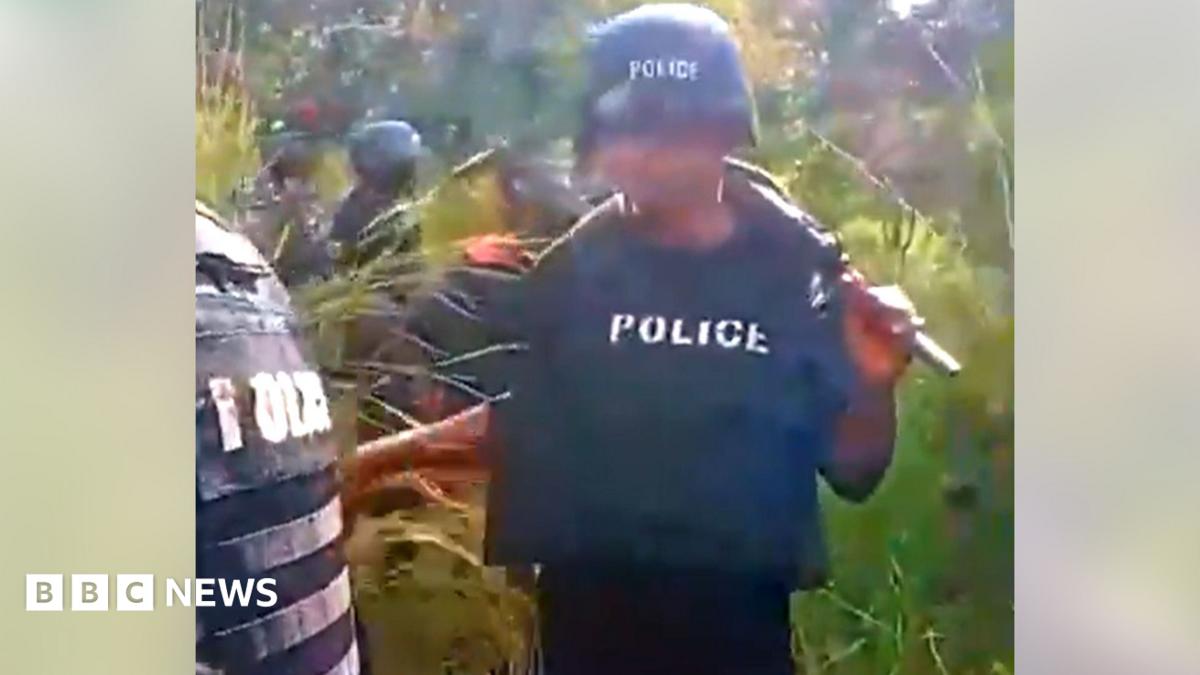
Police in Nigeria's south-eastern Abia State have recovered the skulls and bones of at least 28 people from forest camps believed to have been used by kidnapping gangs, in a discovery that is likely to intensify fears about the growing ransom-abduction industry plaguing parts of the country.
The remains were found on Saturday in the Umuaku and Nneato forests, both located within the Umunneochi area of the state, according to the Abia State Police Command. The recovery followed a security operation prompted by intelligence reports flagging suspected criminal activity in the remote woodland.
Maureen Chinaka, a police spokeswoman for the command, said officers moved on the camps and found them abandoned as the suspects fled on their arrival. The camps were subsequently dismantled, and a total of 28 human skulls and bones were retrieved from the sites.
Investigators suspect the remains belong to people who were taken captive by the gangs, though police acknowledged that forensic examinations and other inquiries are still underway to confirm the identities of the dead and to piece together how they died. Until those tests are complete, the precise number of victims and their links to specific cases remain uncertain.
Chinaka described the operation in a statement, explaining that tactical operatives had arrived at the camps only to find the suspects gone. "Upon arrival of the Command's tactical operatives at the camps, the suspects fled. The criminal camps were subsequently dismantled. A total of twenty-eight human skulls and bones, suspected to be kidnap victims, were recovered," she said.
Wilfred Afolabi, the police commissioner for Abia State, framed the raids as part of a broader and continuing push to clear criminal hideouts from the state's forests. He said surveillance in the area has been stepped up as officers hunt for those who escaped during the operation.
The police have also appealed to residents to come forward with information about suspicious activity, stressing that community cooperation is essential to identifying the victims and establishing whether the remains are tied to unresolved kidnapping cases recorded across the region. Authorities have not yet said whether any of the recovered bones match individuals reported missing.
The grim find is not the first of its kind in Umunneochi. Previous security raids in the area have uncovered decomposing bodies that investigators linked to kidnapping operations, suggesting the forests have served for some time as a base for organised criminal groups. The recurrence of such discoveries points to a pattern rather than an isolated incident.
Kidnapping for ransom has become a deeply entrenched criminal enterprise in Nigeria, with armed groups targeting motorists, travellers and local residents in remote stretches of forest where security presence is thin and escape routes are plentiful. Criminal networks have exploited the country's vast ungoverned woodland to hold captives for extended periods while negotiating payments.
The weekend's discoveries in Abia State came as Nigeria's northern region was hit by two separate mass abductions, underlining the scale of the country's kidnapping crisis. On Sunday, nearly 50 farmers were seized by gunmen in Niger State, and around 40 women were taken in the neighbouring state of Zamfara, according to two security reports seen by the news agency AFP and a local source.
Those attacks brought the number of people abducted over the weekend to more than 80, most of them women. In the north, ransom kidnapping has become a major revenue stream for criminal bands known locally as bandits, as well as for militant Islamist groups operating in the region. The frequency of such raids has left many rural communities living in sustained fear.
The contrast between the two theatres of the crisis is notable. In the south-east, where Abia State lies, kidnap gangs have largely preyed on travellers and residents along highways and forest corridors, using dense vegetation to conceal captivity sites. In the north, mass abductions of farmers and villagers have become a recurring feature of rural life, often carried out by large armed groups on motorcycles.
Security analysts have long argued that Nigeria's response to kidnapping has been hampered by limited intelligence gathering, poor funding for police units and the sheer geographical scale of the problem. The fact that the Abia camps were discovered through intelligence tips, and that suspects were able to flee before officers arrived, illustrates both the value of local information and the difficulty of translating it into arrests.
The Abia State Police Command's decision to publicise the recovery is likely intended to demonstrate progress in its campaign against criminal hideouts, while also generating public leads. Identifying the dead will now depend heavily on forensic capacity that is stretched thin in many Nigerian states, potentially leaving families of missing people in prolonged uncertainty.
For now, the focus in Abia remains on the manhunt for the fugitives and on determining whether the 28 sets of remains can be matched to documented kidnapping cases. Police have urged residents to report anything suspicious, and the coming days are expected to bring further forensic updates as investigators work to give names and closure to the dead.










Comments (0)