 rizky-amelia
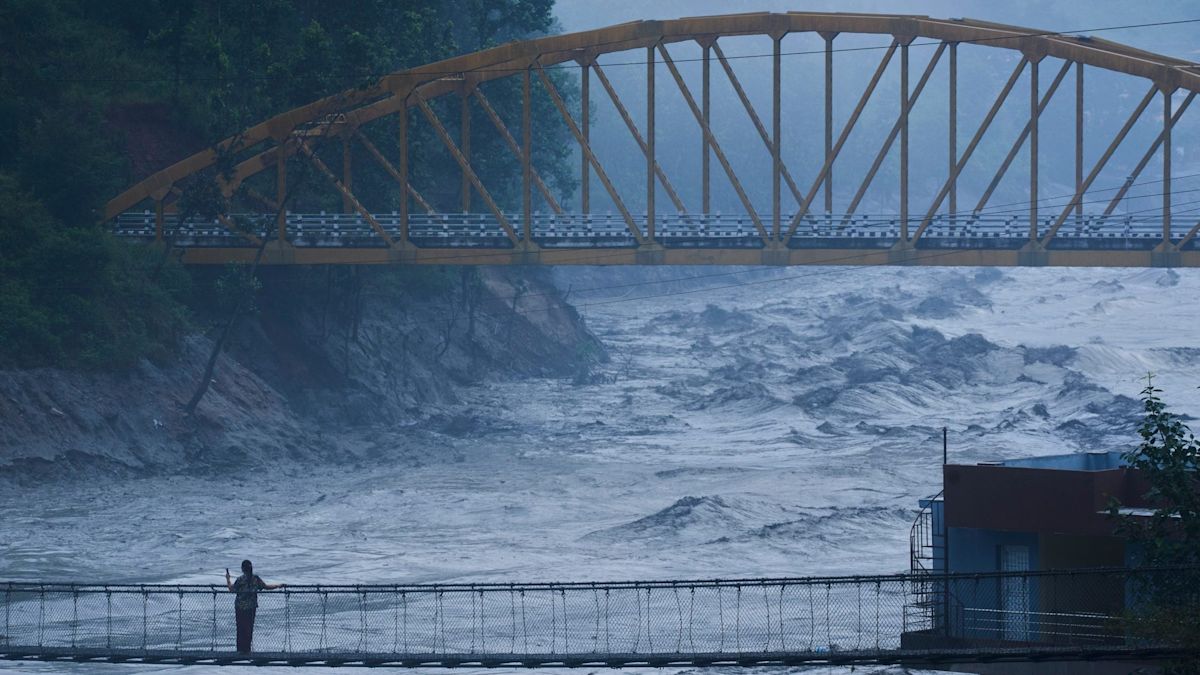
DHADING, Nepal – Authorities in Nepal have issued a fresh warning of potential flooding, urging residents in flood-affected districts to remain vigilant as water levels in the Bhotekoshi River continue to rise. The alert comes just days after a catastrophic flood, triggered by a glacial collapse, left at least 800 dead and over 3,000 missing across Nepal and Tibet.
The warning was sent to people's phones early Sunday morning as rescue crews worked tirelessly to clear a major highway connecting Kathmandu to one of the areas worst hit by the disaster. The latest warnings follow reports from Chinese authorities that a new lake formed after the initial floods has largely drained, but a crater upstream still holds a significant amount of water, posing a risk that requires close monitoring.
The death toll in Nepal has now climbed to 788, with 2,502 still reported missing. Across the border in China, authorities have reported 16 deaths and 546 missing. Many of the missing are foreign nationals who were in the region to work, visit the mountains, or make a pilgrimage to sacred peaks.
In Dhading, one of the worst-hit regions in Nepal, some residents began returning to their homes to see what could be salvaged. Amid the ruins, residents sat in homes with walls washed away by the floods, shoveling mud and rubble off balconies and window frames. The once vibrant town of Galchhi now stands quiet, with residents seeking higher ground on nearby bridges as they watch the river roar by.
The flood warnings have become a constant presence in the lives of those affected. Large concrete and smaller suspension bridges have been destroyed, leaving communities on the other side of the river with limited access. "Sometimes they say a flood is coming, then we have to run again to higher ground, even at night," said Govind Shreshta, a resident struggling to care for his elderly parents.
The disaster has been attributed to the collapse of a glacial wall in the Himalayan region, which triggered a magnitude 5.2 earthquake and sent a torrent of water downstream. Nepal's foreign minister has called for a global response to climate change, stating that the country is bearing a disproportionate burden of the impact.
The destruction has not only taken a human toll but has also impacted critical infrastructure. Workers at a key power plant, which serves over 20,000 people across four districts, began inspecting the facilities on Sunday to assess the damage. The plant's destruction could have far-reaching consequences for the affected communities.
As the region grapples with the aftermath of the disaster, the focus is now on recovery and rebuilding. The Nepalese government and international aid organizations are working to provide relief to those affected, including food, shelter, and medical care. However, the scale of the disaster has raised concerns about the long-term sustainability of the region's infrastructure and the need for more robust disaster preparedness measures.
The flooding has also highlighted the urgent need for a coordinated global response to climate change. As the world continues to witness the devastating impacts of extreme weather events, the call for action grows louder. Nepal's plight serves as a stark reminder of the human cost of climate change and the importance of taking immediate action to mitigate its effects.







Comments (0)