 rizky-amelia

The relentless force of nature has once again laid waste to the landscape of Nepal, leaving behind a trail of despair and desecration. In the aftermath of catastrophic flash floods and mudslides, authorities in Chitwan district have resorted to mass burials, a stark departure from Hindu funeral traditions and a source of mounting controversy.
The floods, which struck on Wednesday, have claimed at least 800 lives and left over 3,000 missing in Nepal and Tibet. The scale of the disaster is evident in the 250 bodies awaiting identification, with more being recovered daily. The Bhotekoshi River, which originates from the Himalayas, carried the bodies downstream to Chitwan, where they were discovered amidst the debris and destruction.
In an effort to manage the overwhelming number of bodies, authorities have begun temporary burials. On Saturday, around 100 victims were buried in trenches, with another 50 undergoing DNA testing in preparation for their likely interment on Sunday. The bodies, which had been submerged in floodwaters for about four days, are in a state of decomposition, further complicating the identification process.
The lack of forensic infrastructure and inadequate morgue capacity in Chitwan has strained efforts to manage the disaster. High humidity and sweltering heat have accelerated decomposition, while fresh landslides have closed the main highway, complicating efforts to move bodies and relief supplies.
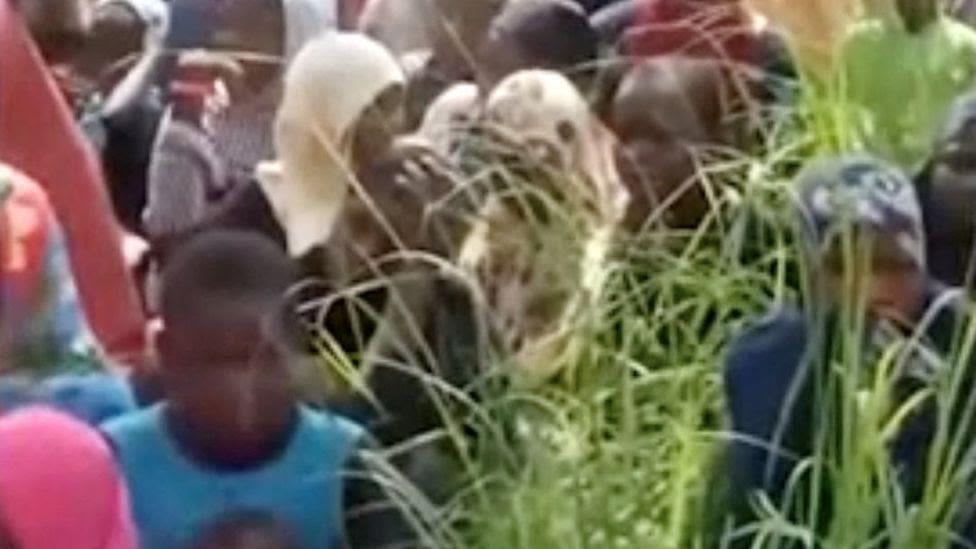
The mass burials have sparked criticism, with some residents accusing authorities of ignoring Hindu funeral traditions. In a predominantly Hindu nation, the dead are traditionally cremated, and the sudden shift to mass burials has been met with shock and disbelief. Ruby Chaudhary, who has two missing relatives, argues that the dead deserve to be treated with dignity and that their families should be consulted before any decisions are made regarding their burials.
"The dead deserve to be treated with dignity," Chaudhary said. "Our tradition is to cremate them on the riverbank, surrounded by their immediate family."
Former Prime Minister Baburam Bhattarai echoed these sentiments, suggesting that it was inappropriate to dispose of unidentified bodies before search and rescue operations were complete and without broader consultation with families of the missing.
The situation in Chitwan serves as a stark reminder of the devastating impact of climate change on vulnerable regions. The floods and mudslides were attributed to glacial collapse, a phenomenon that is becoming increasingly common as the planet warms. The disaster has left a lasting scar on the landscape, with homes, vehicles, and farm tractors still partially buried in mud.
As the region grapples with the aftermath of the floods, the focus must shift to rebuilding and recovery. However, the issue of mass burials and the potential desecration of Hindu funeral traditions remains a sensitive and contentious topic. The authorities must find a balance between managing the overwhelming number of bodies and respecting the cultural and religious beliefs of the affected communities.





Comments (0)