 rizky-amelia

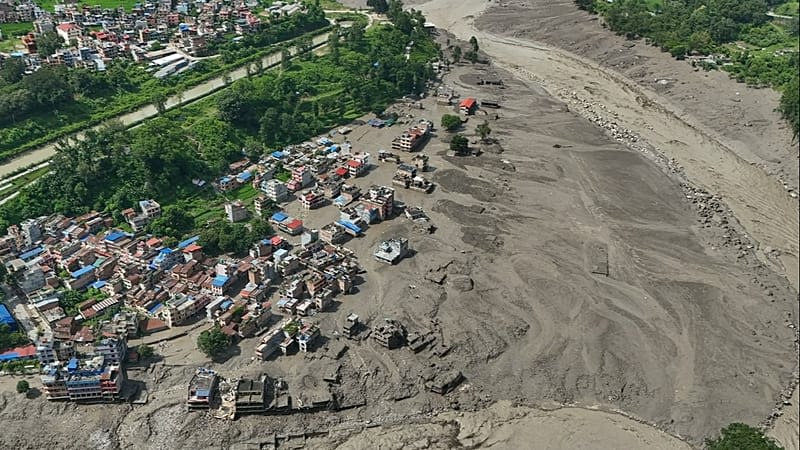
In the wake of a catastrophic glacier collapse in Nepal, India has intensified its monitoring efforts to safeguard its own glacial regions. Uttarakhand, one of India's most ecologically sensitive states, has been at the forefront of these efforts, with officials urging vigilance over all glaciers and known glacial lakes in the region.
The heightened monitoring comes as authorities grapple with the complexities of 'hanging glaciers,' which pose a significant threat due to their inherent instability. A hanging glacier is a mass of ice that sits on a steep mountain slope and has become detached from the larger glacier it once belonged to. This detachment makes them highly susceptible to avalanches, as the ice constantly sheds through small avalanches rather than settling into a stable shape.
The recent glacier collapse in Nepal has raised concerns about similar occurrences in India. According to Jeffrey Kargel, a senior scientist at the Planetary Science Institute, the glacier's retreat in a warming climate was likely central to its failure. As the ice retreated, it lost the physical support that had previously held its lower section in place, leaving it "hanging" and susceptible to collapse.
A study published in the journal *npj Natural Hazards* identified hundreds of glaciers across the Indian Himalayas that meet the definition of a hanging glacier. In Uttarakhand's Garhwal Himalayas alone, researchers found 219 hanging glaciers covering more than 71 square km. The study also projected that the risk in this specific basin would grow sharply over the coming years, with the number of people living in exposed areas expected to climb significantly.
The potential consequences of a hanging glacier collapse are severe. When one of these glaciers breaks away, the ice and rock it sheds can pick up further rock, snow, and sediment as it travels downhill. If this debris reaches a narrow mountain stream, it can dam the river entirely, allowing water to build up behind the blockage until it eventually gives way, releasing a surge of water and debris.
The study's simulations found that an avalanche in Uttarakhand's Badrinath-Mana sector could reach flow heights of more than 50 meters, enough to overwhelm major settlements and infrastructure. The risk of such collapses is expected to increase as the exposed land area and the number of people living in these areas continue to rise.
In response to these findings, the study's authors emphasized the need for targeted monitoring and risk-informed planning. Pam Pearson, director of the International Cryosphere Climate Initiative, echoed these sentiments, stating that the disaster should serve as a "wake-up call" on the need to move away from fossil fuels. She argued that the economic cost of a rapid transition would be far smaller than the continued toll of disasters, droughts, and heatwaves linked to warming climates.
The tragedy in Nepal has underscored the importance of proactive measures to mitigate the risks associated with hanging glaciers. As India steps up its monitoring efforts, it is crucial that these efforts are accompanied by comprehensive planning and preparedness to ensure the safety of its citizens and protect its vulnerable ecosystems.






Comments (0)