 rizky-amelia
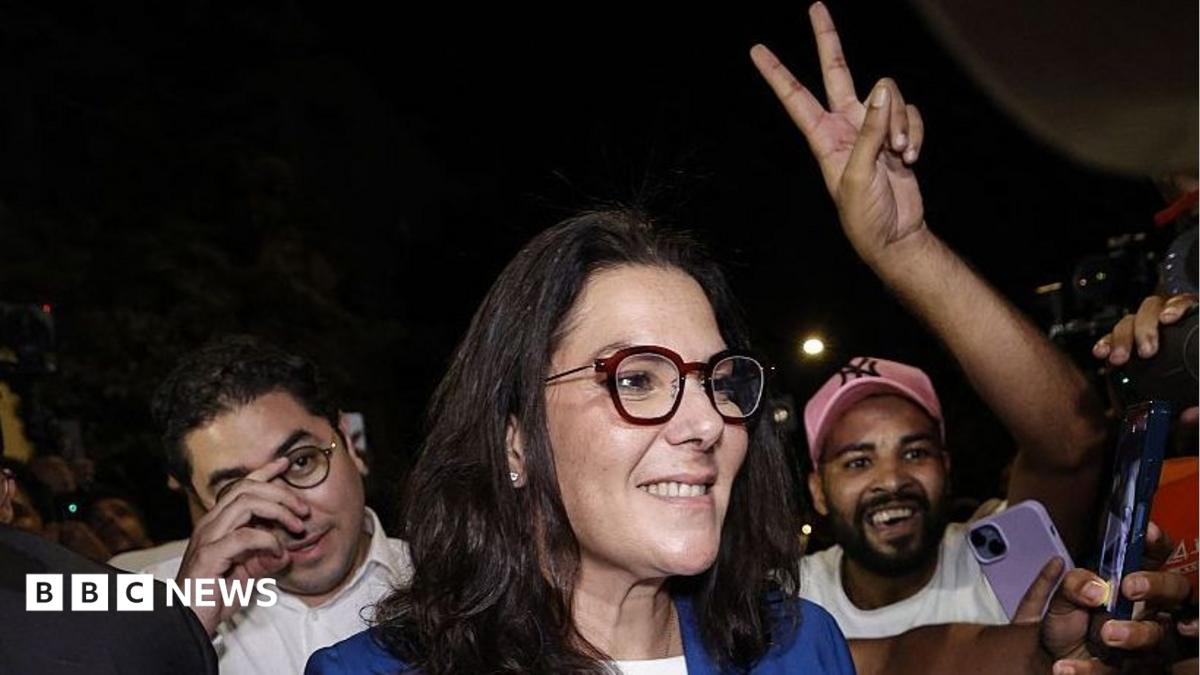
Morocco has appointed its first female prime minister, marking a significant milestone in the country's political history. Fatima Zahra El Mansouri, a 50-year-old lawyer and longtime mayor of Marrakesh, was named to the position by King Mohammed VI after her centrist party secured the most seats in last week's parliamentary elections.
The appointment makes El Mansouri only the second woman to lead a government in the Arab world, following Tunisia's Najla Bouden. It represents a notable moment for women's political representation in a region where female leadership at the highest levels of government remains rare.
El Mansouri's rise to the top of Morocco's executive branch follows the victory of her party, the Authenticity and Modernity Party (Pam), in the legislative elections. The party won 97 seats in the 395-member House of Representatives, positioning it to lead the next government.
The decision to name El Mansouri was made by King Mohammed VI, who selected her over Fouzi Lekjaa, the country's football chief and a prominent politician from the same party. Under Morocco's constitution, the king appoints the head of government from the party that finishes first in elections, though the process has historically been more straightforward when parties were led by a single secretary general.
Morocco operates as a constitutional monarchy, but most power remains concentrated in the hands of the king. The role of prime minister, while significant, operates within a system where royal authority dominates key decision-making processes. This dynamic shapes both the opportunities and constraints El Mansouri will face in her new role.
A lawyer by training, El Mansouri studied at Mohammed V University in Rabat before continuing her education in France and the United States, where she specialised in business and corporate law. She entered politics after Pam was founded in 2008 and quickly made her mark, becoming the first woman to serve as mayor of Marrakesh in 2009. She returned to that post following the 2021 elections.
Over the past five years, she served as a minister for national territory planning, urban planning, housing and city policy under former Prime Minister Aziz Akhannouch. Her experience in both local governance and national administration has given her a broad understanding of Morocco's political landscape and the challenges facing its cities and regions.
In February 2024, she became the co-ordinator of Pam's leadership coalition, a role that positioned her as a key figure within the party's collective leadership structure. This background likely played a role in the king's decision to choose her over Lekjaa.
Despite her historic appointment, El Mansouri has rarely spoken publicly about women's rights or gender inequality during her political career. Morocco continues to grapple with debates over issues such as whether polygamy should be banned and whether men and women should have equal inheritance rights. Her silence on these topics has led some observers to question how actively she will champion women's causes from the prime minister's office.
At a victory press conference before her official appointment, El Mansouri was asked whether the state would need to make changes to accommodate her in Muslim religious ceremonies attended by the king, including Friday and Eid prayers, where men and women pray in separate sections. She did not directly answer the question, instead praising the king as "the biggest advocate for women" in the country.
"His Majesty is the holder of wisdom," she said. "If I am entrusted with the responsibility of head of government, it will be a great honour." Her response reflected both diplomatic caution and an apparent reluctance to engage with questions that touch on sensitive religious and social norms.
El Mansouri has also rejected characterisations of herself as an "iron woman," telling Pam's magazine in 2021: "I am neither a woman of steel nor iron... I am a free activist." The remark offers insight into how she views her own political identity, preferring to emphasise her independence and activism rather than a tough, unyielding persona.
As prime minister, El Mansouri now faces the immediate challenge of negotiating a coalition with other parties to govern. With only 97 seats, Pam falls short of the 198 seats required for an absolute majority in parliament. The coalition-building process could prove complex, particularly given that Pam has fallen out with the National Rally of Independents (RNI), which led the outgoing government in which Pam was a junior partner.
The political arithmetic is further complicated by the resurgence of the Islamist Justice and Development Party (PJD), which rebounded with 54 seats, up from just 13 in the previous election. The party's comeback was buoyed by the return of its leader, Abdelilah Benkirane, a former prime minister. After the vote, Benkirane said the PJD would remain in opposition and refused any partnership with Pam, narrowing El Mansouri's options for forming a majority.
Her appointment comes at a time of ongoing political and social debate in Morocco, with questions about the role of political Islam, the pace of reform and the country's international alignments all shaping the national conversation. How she navigates these issues while managing a coalition government will define her tenure.
The symbolic weight of her appointment is undeniable, but the practical realities of governing in a constitutional monarchy where the king holds most power mean her influence will be shaped by forces beyond her office. Whether her leadership opens doors for more women in Moroccan politics remains an open question, one that will be answered by her actions and by the broader trajectory of the country's political evolution.







Comments (0)