 rizky-amelia
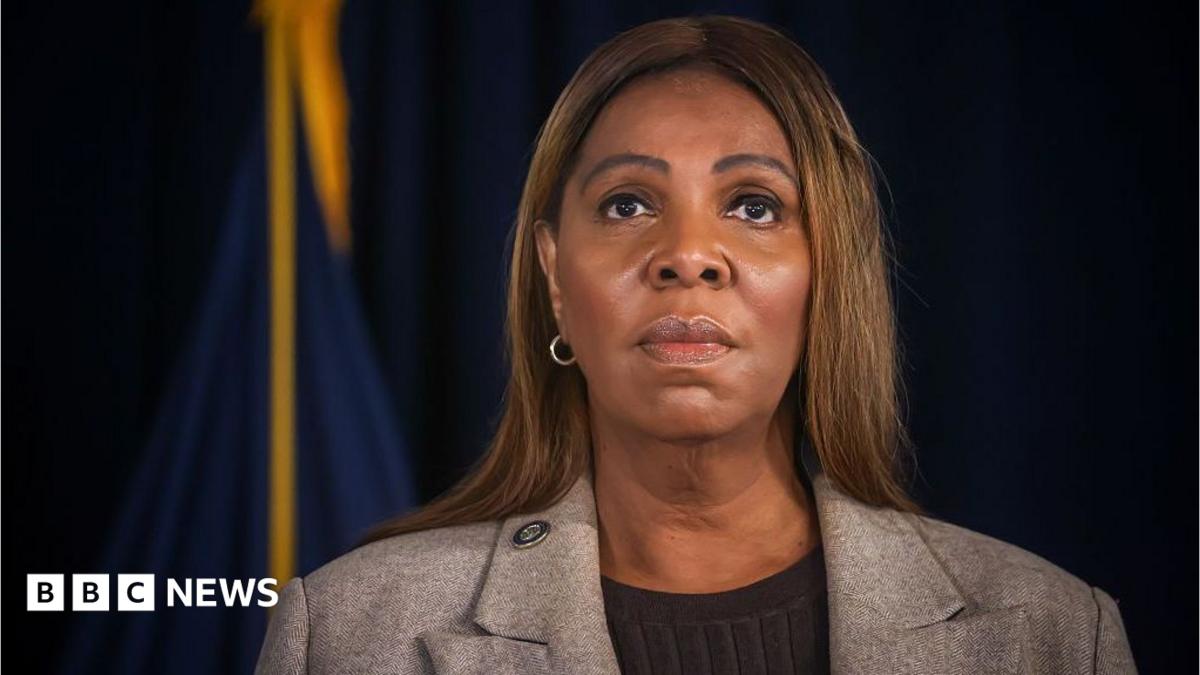
A defence attorney representing one of the seven men accused in a high-profile Cornell University gang rape case has formally requested that New York Attorney General Letitia James remove herself from her role as special prosecutor. The request, sent to the BBC's US media partner CBS News, centres on public comments James made before her appointment, which the lawyer argues could compromise the perceived fairness of the investigation.
At the heart of the objection is a social media post published on 28 September, in which James expressed solidarity with the woman at the centre of the allegations. In that post, James described what the young woman had been forced to endure as "horrific and unacceptable," adding that she was holding her in her heart and prayers. She also addressed survivors broadly, telling them they are not alone and that people stand with them. Days later, Governor Kathy Hochul appointed James to lead the investigation into the case and into how law enforcement and the university responded to the initial allegations.
The defence lawyer contends that these remarks conflict with the requirement that a prosecutor independently evaluate evidence. In the statement, the lawyer was careful to clarify that the request was not an accusation of corruption, bad faith, or professional incapacity on James's part. Nor was it a claim that any court had legally disqualified her. Instead, the lawyer framed the issue as narrow: an avoidable question now hangs over the investigation, and a voluntary recusal would eliminate it entirely.
The case itself has become a lightning rod for outrage across the United States. A lawsuit filed against the seven men and the university has shaken the Ithaca campus in upstate New York. Hundreds of students and faculty members gathered on Monday in protest, carrying signs that expressed fury at the university's handling of the matter. One placard read that the institution should stop protecting rapists; another declared feminine rage and asked whether authorities were listening yet.
According to the lawsuit, a woman identified only as Jane Doe was allegedly drugged and raped by the men over the course of several hours at a fraternity party. The incident is said to have occurred in October 2024. Jane Doe has accused Cornell's administration of failing to protect her, turning the spotlight on how university officials responded once the allegations surfaced.
The university's leadership is now under mounting pressure. According to US media reports, Cornell's Faculty Senate — a governing body made up of professors and other academic staff — is preparing to vote next week on a resolution of no confidence in the administration. While such a vote would be largely symbolic, it would signal widespread discontent among the faculty and increase pressure on university leaders to take decisive action. The BBC has contacted Cornell University for comment.
Governor Hochul and James were both questioned about impartiality concerns during a news conference. Hochul defended her appointee, stating that James would follow the facts, examine the evidence, and go wherever it leads. If the evidence supports charges, Hochul said, James will pursue them. That public backing underscores the governor's confidence in the attorney general's ability to handle a politically and emotionally charged investigation.
The recusal request raises broader questions about the role of public officials in sensitive criminal cases. Prosecutors are expected to weigh evidence dispassionately, and even the appearance of pre-judgment can become a basis for defence challenges. At the same time, advocates for survivors argue that expressions of empathy from public officials do not necessarily equate to bias, and that victims of sexual violence often face scepticism rather than support from institutions.
The timing of James's comments has made them particularly contentious. They were posted just days before her appointment as special prosecutor, a role that gives her significant authority over both the criminal investigation and the examination of institutional failures. That dual focus — examining not only the accused men but also law enforcement and university conduct — makes perceptions of neutrality especially important.
The case has also amplified a national conversation about how universities handle sexual assault allegations. Critics say institutions frequently prioritise reputation over accountability, while administrators often cite privacy obligations and the need for due process. Cornell is now navigating both the legal battle and a crisis of confidence among its own faculty and students.
The seven accused men are entitled to a presumption of innocence, and the defence lawyer's request reflects an effort to protect that principle. Yet the request also highlights the difficulty of separating a prosecutor's public empathy from their professional obligations. Legal observers note that recusal motions are rarely granted solely on the basis of public statements, but they can still shape public perception and form part of a broader defence strategy.
For Jane Doe, the process represents both a search for accountability and a test of institutional willingness to change. The lawsuit's allegations have already prompted protests, faculty unrest, and intensified scrutiny of Cornell's policies. How the university, the attorney general's office, and the courts proceed will likely influence how similar cases are handled nationwide.
As the Faculty Senate prepares for its no-confidence vote and the defence presses for James's recusal, the case remains far from resolution. What is clear is that the events at Cornell have ignited a fierce debate over justice, institutional responsibility, and the balance between empathy and impartiality in the pursuit of accountability.










Comments (0)