 hendra-wijaya
French judicial authorities and transport investigators have formally ruled out the possibility that a deliberate terror attack or malicious act of sabotage caused the severe regional train derailment in north-western France. The accident, which caused significant public concern and disrupted regional transit operations, resulted in injuries to dozens of commuters before official findings confirmed that there was no criminal intent behind the disaster.
The official stance was made clear by Rouen public prosecutor Sébastien Gallois, who delivered an update on the progress of the inquiry following initial forensic assessments. Speaking on Saturday evening, Gallois stated that investigators had found no indication whatsoever of a malicious act executed with the intention of derailing the passenger train, decisively putting to rest early fears that the incident was an act of terrorism.
The prosecutor's definitive remarks brought much-needed clarity after a period of heightened public alarm and political speculation. In the immediate aftermath of the crash, several French political figures had publicly raised concerns that the derailment could have been the result of deliberate interference, hostile sabotage, or organized criminal conduct, prompting investigators to quickly test and ultimately dismiss those theories.
The derailment occurred on Friday evening along a key rail route connecting the north-western cities of Rouen and Caen. The regional passenger train was transporting approximately 180 commuters and travelers when the journey was abruptly interrupted after the locomotive and leading cars struck an obstruction resting directly across the tracks.
The violent impact caused widespread damage to the train's composition, throwing five passenger carriages off the rails. Among the derailed cars, one carriage completely overturned, pitching passengers from their seats, generating widespread panic throughout the cabin, and creating severe challenges for emergency crews working in the dark to evacuate the wreckage.
Central to the initial mystery was the discovery of a loose section of railway line situated on the active tracks where the collision took place. While the unusual presence of heavy railway material on an operational route initially prompted investigators to examine the potential for intentional sabotage, technical evidence quickly shifted the focus away from deliberate malfeasance.
With the possibility of an intentional attack eliminated, judicial and rail safety authorities are now directing their complete attention toward procedural and logistical questions. Investigators scheduled detailed questioning sessions for Sunday, specifically aimed at understanding how the piece of rail came to be positioned on an active railway corridor and whether maintenance practices played a role.
The physical toll of the crash was substantial, with emergency officials confirming that 44 passengers sustained injuries of varying severity during the impact. Medical personnel dispatched to the scene performed rapid triage operations to treat passengers suffering from shock, bruising, cuts, and blunt trauma caused by the sudden deceleration and the tipping carriage.
Despite the large number of injured victims, regional health authorities provided an encouraging outlook regarding their recovery. By Saturday, the vast majority of the 44 injured individuals had been treated for minor to moderate wounds and were subsequently discharged from nearby regional hospitals to recover at home.
Medical attention remained concentrated on the most severely hurt passenger, identified as an 18-year-old woman who sustained significant injuries when the carriage overturned. Hospital reports indicated that while her condition was initially categorized as serious, medical interventions had stabilized her, and her overall prognosis had shown notable signs of improvement by Saturday evening.
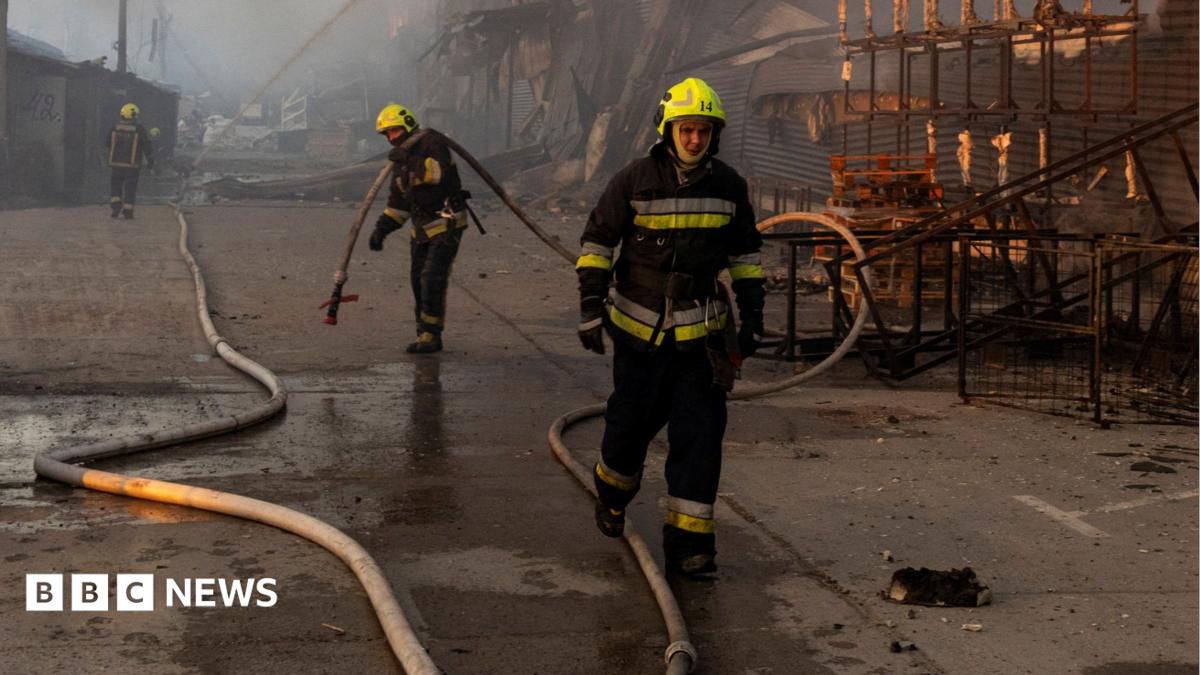
The emergency response to the disaster was swift and extensive, reflecting the potential severity of a multi-car derailment carrying roughly 180 people. Regional emergency networks mobilized more than 130 specialized firefighters along with a fleet of approximately 80 emergency rescue and support vehicles to manage the scene, secure the damaged cars, and tend to casualties.
Supporting the rescue efforts, more than 50 police officers were deployed to the crash site to establish security perimeters, coordinate traffic and logistics, and assist in the safe evacuation of unharmed passengers. Law enforcement personnel also worked to secure forensic evidence around the tracks to support the ongoing judicial inquiry led by the Rouen prosecutor.
The formal exclusion of terrorism has helped alleviate wider security anxieties regarding the vulnerability of French rail infrastructure. With investigators now treating the disaster as an operational or technical issue rather than a targeted assault, railway operators and safety regulators face renewed scrutiny concerning track inspection protocols and the containment of maintenance materials.
As Sunday’s investigative interviews and technical assessments progress, investigators hope to uncover the precise chain of events that allowed a dangerous obstruction to remain on the Rouen-Caen line. For the injured victims and the nearly two hundred travelers caught in Friday’s derailment, the final conclusions will be essential to establishing accountability and preventing similar rail disasters in the future.








Comments (0)