 rizky-amelia
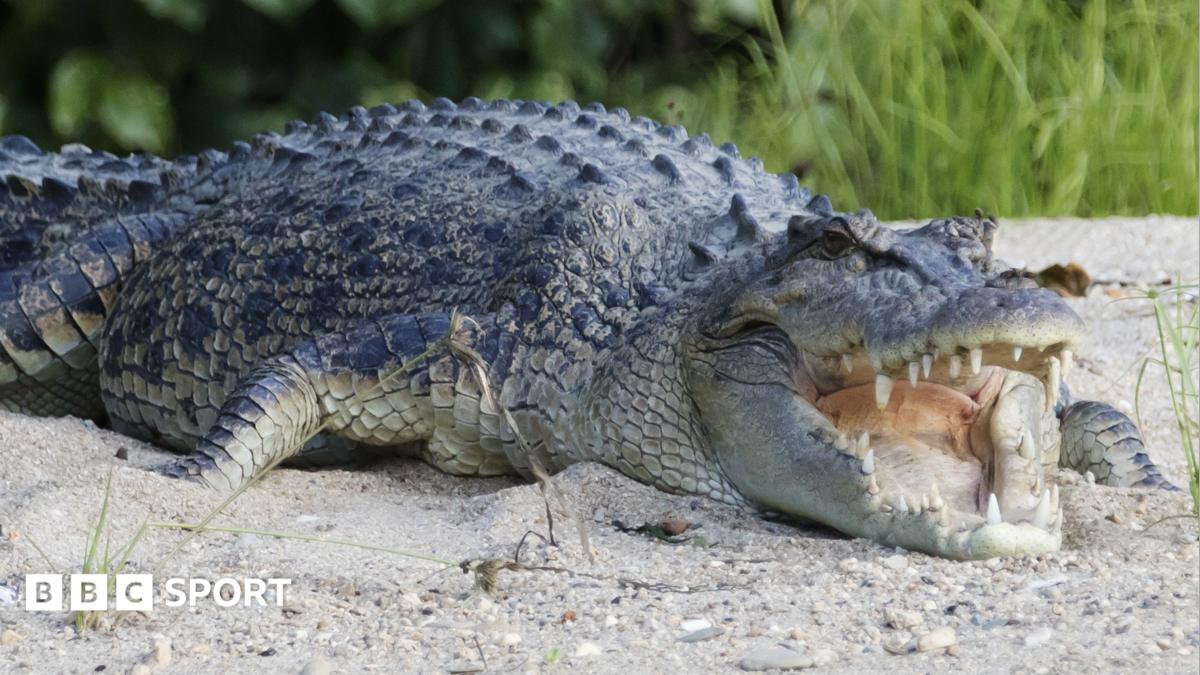
An Australian river that serves as the natural habitat for approximately 500 saltwater crocodiles has officially been cleared to stage rowing and canoeing competitions during the 2032 Brisbane Olympic and Paralympic Games. The selection confirms that the world's elite water sports athletes will compete along the waters of the Fitzroy River in Rockhampton, Queensland, when the global sporting spectacle arrives in Australia.
The approval follows the successful completion of an independent technical assessment that rigorously examined whether the waterway meets the demanding physical and environmental criteria required for high-profile international regattas. The clearance provides Olympic organizers with the green light needed to keep Rockhampton at the heart of their flatwater competition plans.
The technical investigation focused squarely on the physical dynamics and reliability of the river as a sporting course. Experts evaluated how the venue would perform across an array of environmental conditions, analyzing local weather patterns, seasonal water level fluctuations, and potential flood risks, both during the scheduled Games period and throughout the preparatory years leading up to the 2032 events.
Significantly, the independent technical assessment did not evaluate the presence or behavior of the river's estimated 500 saltwater crocodiles. Instead, investigators restricted their scope strictly to hydrological stability, course fairness, and weather resilience to confirm that the waterway could structurally support fair and dependable racing.
The technical evaluation was commissioned by the Games Independent Infrastructure and Coordination Authority, known as GIICA. In reviewing the venue's suitability, the authority highlighted that the location is far from an untested setting, noting that the Fitzroy River Flatwater Facility already possesses an established record of hosting competitive water sports.
According to GIICA, the river currently operates as an active training and racing facility for flatwater disciplines across multiple competitive tiers. The venue regularly hosts regional school state championships, stages community and local regattas, and serves as a base for national team training camps preparing for major athletic events.
Following the release of the technical findings, major international sports governing bodies officially endorsed the Fitzroy River course. Both World Rowing and Paddle Worldwide, the organization formerly known as the International Canoe Federation, granted their formal approval for the venue to host their respective Olympic and Paralympic disciplines.
World Rowing President Jean-Christophe Rolland expressed full confidence in the selected course, pointing to the thorough scientific research conducted on the river. Rolland affirmed that based on the extensive analysis undertaken, organizers now know the Fitzroy River is capable of providing fair competition conditions during the Games, consistent with all core requirements for Olympic and Paralympic rowing.
A similarly supportive stance was voiced by Paddle Worldwide President Thomas Konietzko, who commended the thoroughness of the hydrological and environmental review. Konietzko stated that the depth and quality of the technical work undertaken has significantly enhanced their understanding of the field of play in Rockhampton.
Konietzko added that the technical data offers crucial reassurance to administrators, coaches, and competitors ahead of the Brisbane Games. He noted that the findings provide confidence to both the federation and its athletes that the course can successfully deliver equitable, high-standard competition conditions for Canoe Sprint competitors.
The formal endorsement of the venue was warmly welcomed by Brisbane 2032 President Andrew Liveris, who emphasized the importance of securing technical validation early in the planning cycle. Liveris stated on Thursday that the venue's approval establishes crucial clarity as organizers progress into the next critical stages of preparation.
Liveris explained that the endorsement provides additional certainty as the organizing committee transitions into the next phase of venue planning and Games delivery. He noted that this milestone ensures that all forthcoming design and operational work will continue to focus solely on Rockhampton as the designated host location.
The confirmation comes after Liveris previously moved to play down safety concerns regarding the presence of crocodiles in the competition waters. Speaking last year about the local wildlife, Liveris pointed out that surfers regularly enter the ocean despite the known presence of sharks, arguing that the situation called for a "can-do, not a can't-do" attitude and urging the public to change their mindset.
Saltwater crocodiles, known colloquially throughout Australia as "Salties," represent the largest living reptile species on the planet. Capable of surviving in both freshwater and saltwater environments, these apex predators are indigenous to the waterways of northern Australia and can reach lengths in excess of six metres.
With the independent technical green light secured and the backing of both World Rowing and Paddle Worldwide in place, Olympic planners will now advance specific venue designs and operational models for Rockhampton. The Fitzroy River will remain a focal point of Queensland's preparations as the state readies itself to welcome the world's best rowers and paddlers in 2032.








Comments (0)